What If Your Front Door Could Help You Keep Your New Year’s Promises?
Imagine this: you’re juggling work, kids, meals, and that never-ending to-do list—yet somehow, you’re still supposed to “stay healthy,” “be present,” and “grow every day.” What if the secret to keeping your promises wasn’t more willpower, but a smarter home? Not in a flashy, high-tech way—but quietly, gently, through the simple act of walking through your front door. That’s where it starts. It’s not about buying the latest gadget for the sake of it. It’s about designing a home that helps you become the person you want to be—without extra effort, without guilt, and without adding one more thing to remember.
The Daily Struggle: Why Good Intentions Fall Apart at Home
We’ve all been there. January rolls around, and we write down our goals with real excitement: drink more water, move your body daily, spend quality time with the kids, finally start that journal. By the second week, life kicks in. The kids are sick. The work deadline moved up. Dinner is late again. Suddenly, that yoga mat is still rolled up in the corner, the water bottle’s empty, and bedtime stories were skipped because everyone just needed to crash. It’s not that we don’t care. It’s not that we lack discipline. The truth is, our environment doesn’t support us.
Willpower is a myth when your surroundings are working against you. Think about it: if your kitchen is filled with snacks that don’t serve your goals, if your workout clothes are buried under laundry, if your phone buzzes with distractions the second you sit down to breathe—how can you be expected to stay on track? The problem isn’t you. It’s the space you’re trying to grow in. Real change doesn’t come from grand declarations. It comes from small, repeatable actions that slowly build into habits. And those habits need a stage—a home that quietly encourages them instead of making them harder.
This is where smart home technology stops being about convenience and starts being about care. It’s not about having lights that change color for a party or a speaker that plays music on command. It’s about creating a living space that understands your rhythms and helps you stay aligned with your values. Imagine a home that doesn’t just shelter you, but supports you. One that reminds you of your goals not with loud alarms, but with gentle cues woven into your day. That kind of support isn’t flashy—but it’s powerful. And it starts with the very first moment you walk through the door.
The Front Door Moment: A Tiny Ritual with Big Impact
Every day, without thinking, you cross a threshold. You turn the key, push the door open, step inside. That simple act—coming home—is one of the most consistent moments in your life. It happens rain or shine, tired or energized, stressed or calm. And because it’s so routine, it has power. Psychologists call these kinds of moments “behavioral anchors”—regular transitions that our brains use to shift gears. Walking through the front door is your daily reset button.
Think about how you feel when you come home. Even if you’re exhausted, there’s a subtle shift. Your shoulders relax. Your voice softens. You switch from “outside world” mode to “home” mode. That transition is real—and it’s precious. What if we could use that moment not just to decompress, but to reconnect with our intentions? What if that same step across the threshold could gently remind you of your promise to move more, eat better, or simply breathe?
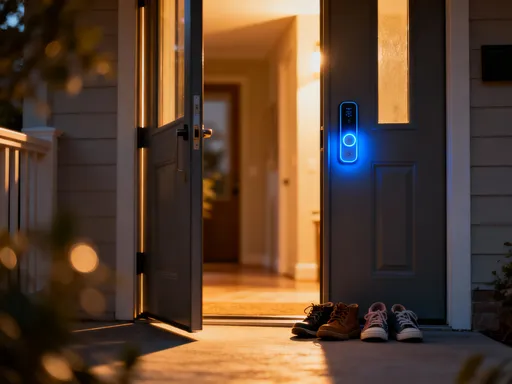
A smart door lock can turn that everyday moment into something more. It’s not just a lock. It’s a signal. When you unlock the door—whether with a code, fingerprint, or phone—the system recognizes you. That recognition can trigger a small, supportive action. Maybe the lights warm up to a calming tone. Maybe a soft chime plays, not to alert you, but to welcome you. Maybe your favorite playlist starts, or a message appears on a small screen: “Welcome home, Sarah. Great job on your walk today.” These aren’t distractions. They’re acknowledgments. They say: I see you. I remember what matters to you. You’re not alone in this.
This is how change begins—not with a dramatic overhaul, but with a quiet nudge at just the right time. The front door becomes more than an entrance. It becomes a checkpoint for your well-being. And over time, those tiny moments add up to a life that feels more intentional, more supported, more like your best self.
How a Smart Lock Does More Than Lock the Door
Let’s be clear: a smart lock isn’t magic. It’s thoughtful engineering wrapped in everyday design. At its core, it keeps your home safe—just like any lock. But unlike traditional locks, it can connect to the rest of your home in ways that support your daily rhythm. When you unlock the door, it doesn’t just open. It communicates. It says, “She’s home,” and that simple message can set off a chain of supportive actions.
For example, if you’ve been tracking your steps and promised yourself a daily walk, your smart lock can work with your fitness tracker. When you return from that evening stroll, the system recognizes your arrival and logs it automatically. No need to open an app. No need to remember. The lock doesn’t just let you in—it celebrates your effort. And that kind of quiet recognition can be more motivating than any achievement badge on a screen.
It can also sync with your calendar. If you have a family dinner planned, the lights can turn on softly as you walk in, creating a warm atmosphere before the kids even notice you’re home. If you’ve had a long day, the thermostat can adjust to your preferred temperature, helping you unwind the moment you step inside. These aren’t luxuries. They’re small acts of care that make your home feel more in tune with you.
And it’s not just about convenience. It’s about consistency. The smart lock becomes a silent partner in your goals. It doesn’t judge. It doesn’t nag. It just notices. Did you come home late again? Maybe the system gently reminds you to drink water before bed. Did you forget to take your vitamins? A soft light on the kitchen counter could glow as a cue. These aren’t intrusive alerts. They’re thoughtful prompts, woven into the fabric of your homecoming. Over time, they help you stay on track without feeling like you’re being monitored.
Building Healthy Habits Without Thinking
The best habits are the ones you don’t have to think about. That’s the secret of lasting change. You don’t build a habit by forcing yourself to do something every day. You build it by making it so easy and natural that it becomes part of your routine. Behavioral science calls this “environmental design”—shaping your surroundings so that the right choice is the default one.
A smart lock supports this by turning passive moments into active progress. Every time you come home, it’s an opportunity. If you’ve been sitting all day, the system might gently suggest a two-minute stretch as you kick off your shoes. If you’ve hit 10,000 steps, it might play a soft chime and say, “Great job today.” These aren’t demands. They’re affirmations. They reinforce the good you’re already doing.
And because the technology is embedded in your daily life, it doesn’t feel like extra work. You don’t have to open an app, log a meal, or set a reminder. The system works in the background, noticing patterns and offering support when it matters most. For instance, if you usually take a walk after work but haven’t left the house by 6:30, the lock might send a gentle notification: “Beautiful evening for a stroll. Your step goal is within reach.” It’s not pushy. It’s present.
Over time, these small interactions train your brain to associate coming home with care. You start to expect that moment of recognition. You begin to feel supported. And that feeling—of being seen and encouraged—can be more powerful than any diet plan or fitness challenge. It’s not about perfection. It’s about progress. And your front door becomes the quiet cheerleader that helps you keep going.
Family Harmony: One System, Shared Goals
Healthy living isn’t just an individual journey. It’s a family affair. And that’s where a smart door system truly shines. It’s not just for you—it’s for everyone who walks through the door. With custom profiles, each family member can have their own experience. When your teenager comes home from school, the lights might dim slightly to signal wind-down time. When your partner arrives, the system might remind them to call their mom or take their vitamins.
For families with young children, the front door moment can support routines without battles. Imagine your kids walking in after soccer practice. The system recognizes them and plays a short audio message: “Welcome home! Time to wash your hands and grab a snack.” No yelling from the kitchen. No forgotten steps. Just a gentle, consistent cue that helps them transition smoothly.
And for parents, there’s peace of mind. Did the babysitter leave? The lock will show when the door was last unlocked. Is your elderly parent living nearby? The system can alert you if they haven’t returned by their usual time—without constant check-in calls. It’s not about control. It’s about care. It’s knowing that everyone you love is safe, and that your home is looking out for them too.
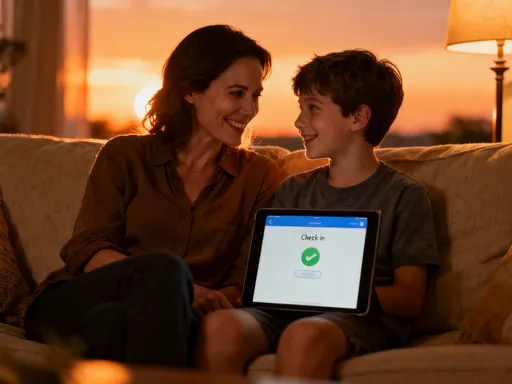
Shared goals become easier when the environment supports them. Maybe your family is trying to eat dinner together more often. When everyone is home, the lock can trigger a soft chime and a message: “Dinner time! Let’s gather.” No phones. No distractions. Just a simple invitation to connect. These moments build connection, one quiet nudge at a time.
Privacy and Trust: Designed to Protect, Not Intrude
I know what you’re thinking: “Isn’t this just another way to be watched?” It’s a fair question. In a world where data feels like currency, it’s right to be cautious. But real smart technology isn’t about surveillance. It’s about support. A well-designed smart lock doesn’t track your every move. It notices patterns that matter and offers help when needed—nothing more.
Reputable systems store your data locally, not in the cloud. That means your comings and goings stay private. Notifications are opt-in, not forced. You decide what you want to be reminded of and when. The goal isn’t to monitor your behavior, but to make your life easier and safer. Think of it like a trusted neighbor who waves when you come home—not someone peering through your windows.
For example, if your mom lives alone and usually comes home by 6 PM, the system can gently alert you if she hasn’t returned by 7:30. It’s not about tracking her every step. It’s about peace of mind. It’s about knowing she’s safe without having to call and interrupt her day. That kind of thoughtful design respects boundaries while still offering care.
And because the technology is designed with empathy, it doesn’t overwhelm you with data. You don’t get a report every night listing your exact time of entry. You get a simple, human-centered experience: a light, a sound, a message that feels like it understands you. That’s the difference between tech that invades and tech that invites. This isn’t about giving up privacy. It’s about gaining support in a way that feels safe and respectful.
Starting Simple: How to Make It Work for Your Life
You don’t need a fully automated home to begin. In fact, starting small is better. Pick one goal—one thing you truly want to improve. Maybe it’s drinking more water. Maybe it’s taking a short walk each day. Maybe it’s being more present with your kids. Then, let your front door be the anchor for that intention.
Install a smart lock. Set one gentle reminder. For example, every time you come home, a soft light in the kitchen could turn on to remind you to fill your water bottle. Or a message could appear: “Welcome home. Great job on your walk today.” See how it feels. Notice if it helps you stay consistent. Adjust it as needed. The goal isn’t to change everything at once. It’s to create one small point of support that makes a difference.
Over time, you can add more. Maybe connect it to your lighting. Maybe link it to a family calendar. But start with what matters most. Because the power of this technology isn’t in its features—it’s in its ability to align with your life. It’s not about impressing anyone. It’s about building a home that helps you show up as your best self, day after day.
The future of health and well-being isn’t in clinics or apps. It’s in the everyday moments. It’s in the way we come home. It’s in the quiet support of a space that knows us, cares for us, and helps us keep our promises—not because we’re perfect, but because we’re human. And that’s something worth walking through the door for.