I kept saying 'I'm fine'—this mood tracker finally made me honest with myself
We’ve all been there—forcing a smile while saying “I’m fine,” even when everything feels off. But what if a simple app could help you truly understand your emotions, not just track them? This isn’t about data overload or cold analytics. It’s about finally *getting* yourself, one honest tap at a time. I started using a mood tracker to quiet my chaos, and it quietly changed everything—how I parent, work, and care for myself. It didn’t fix my life overnight, but it gave me something I didn’t know I was missing: clarity. And maybe, just maybe, that’s the real beginning of change.
The Moment I Realized I Wasn’t Okay (Even When I Said I Was)
It was a Tuesday morning, and I was juggling toast, lunchboxes, and a crying toddler while trying to answer a work email. My husband asked if I wanted help, and I said, “No, I’ve got it,” like I always do. But inside, I felt like I was running on fumes. My head throbbed, my shoulders were tight, and I could feel tears threatening behind my eyes—yet I smiled, kissed everyone goodbye, and waved from the driveway like nothing was wrong.
Later that day, I got a call from my daughter’s teacher. I’d forgotten she had a classroom performance—again. Not because I didn’t care, but because my brain was so full of to-dos and quiet anxieties that the date had slipped right through. That moment hit me like a wave. I wasn’t just tired. I wasn’t just busy. I was emotionally checked out, going through the motions while pretending everything was fine. And I realized—I’d been doing that for months. Maybe even years.
That night, I sat on the bathroom floor, exhausted and embarrassed. I wasn’t mad at anyone. I wasn’t even sad. I just felt… numb. And that scared me more than crying would have. I started wondering: When was the last time I actually checked in with myself? Not my to-do list, not my calendar, but my *heart*? When did I last ask, “How am I really feeling?” and actually listen?
This wasn’t about being a bad mom or partner. It was about how easy it is, especially for women in our 30s and 40s, to become emotional caretakers for everyone else while ignoring our own inner weather. We’re praised for being strong, for holding it together, for saying “I’m fine” even when we’re not. But what if that phrase is doing more harm than good? What if pretending to be okay is the very thing keeping us from becoming better?
That night, I made a quiet promise to myself: I would stop pretending. I wouldn’t fix everything overnight, but I would start paying attention. And that’s how I found my way to mood tracking—not because I thought an app could save me, but because I needed a mirror. Something to reflect back what I was too busy to see.
Why Tracking Feelings Isn’t Overkill—It’s Survival
At first, the idea of tracking my mood felt a little silly. Was I really going to tap an app every time I felt sad or stressed? Wouldn’t that make me *more* emotional, not less? I admit, I pictured myself turning into one of those people who overanalyze every feeling, journaling in coffee shops about their aura or something. But then I thought about my car. I don’t ignore the “check engine” light because it’s inconvenient. I don’t skip oil changes because I’m too busy. I pay attention because I know my car won’t last if I don’t.
And what about when my kids were little? If my son had a fever, I didn’t tell him to “toughen up.” I took his temperature, gave him medicine, and watched for patterns. I tracked his symptoms because I cared. So why, as an adult woman managing a home, a job, and a family, was I expected to just *handle* my emotions without any tools or check-ins? Why was it okay to monitor everything else but not my inner world?
Here’s what I learned: emotions are not the problem. They’re signals. Just like hunger tells you to eat, or fatigue tells you to rest, your mood is trying to tell you something. Maybe you’re overwhelmed. Maybe you’re under-rested. Maybe you’re craving connection. But if you never pause to notice, you’ll keep pushing through until you crash. And that’s not strength—that’s silence.
Science backs this up, too. Studies show that emotional awareness—the ability to recognize and name your feelings—is linked to better decision-making, stronger relationships, and even improved physical health. When you understand your patterns, you’re less likely to react impulsively, more likely to set healthy boundaries, and more capable of showing up as your best self. Mood tracking isn’t about becoming obsessed with data. It’s about reclaiming your emotional compass.
Think of it like a weather report for your mind. You wouldn’t go outside in a storm without checking the forecast. So why walk through life without checking in with how you’re really doing? This isn’t self-indulgence. It’s self-preservation. And for women who spend so much time caring for others, it might be the most responsible thing we can do.
Choosing the Right App Without Drowning in Options
When I first looked up mood tracking apps, I almost gave up before I started. There were dozens—maybe hundreds—of options. Some looked like spreadsheets. Others wanted me to journal 500 words a day. A few promised AI insights or “emotional intelligence scores” that sounded more like something from a sci-fi movie than real life. I felt overwhelmed. I didn’t want another chore. I wanted help.
So I made a list of what I actually needed: something simple, private, and easy to use. No long forms. No pressure to be perfect. Just a way to check in with myself in under a minute, twice a day. I tried three apps before I found one that clicked. The first asked too many questions. The second had a clunky interface and kept crashing. The third? It had a clean design, let me log my mood with a single emoji, and offered optional voice notes if I wanted to say more.
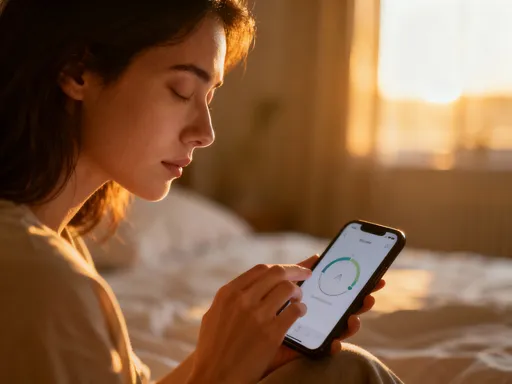
What made the difference wasn’t fancy features—it was usability. I didn’t need a therapist in my pocket. I needed a quiet companion, a digital notebook that wouldn’t judge me for feeling tired or irritable. The app I finally chose didn’t require me to log every single emotion. It just asked: “How are you right now?” and gave me a scale from “awful” to “amazing,” with emojis in between. Sometimes I added a word or two. Sometimes I just tapped and moved on.
Privacy was also a big concern. I didn’t want my data shared or sold. I read the app’s privacy policy carefully and made sure it stored everything locally on my phone unless I chose to back it up. I also liked that it didn’t post anything online or connect to social media. This was for me, not for likes.
My advice? Don’t overthink it. The best mood tracker isn’t the most advanced one. It’s the one you’ll actually use. Look for something with a simple interface, minimal input, and strong privacy. Try a few. Delete the ones that feel like work. Keep the one that feels like a friend. And remember—you’re not looking for perfection. You’re looking for presence.
The First Week: What I Actually Did (And What Happened)
I started small. Just two check-ins a day: one in the morning with my coffee, one at night before bed. I didn’t aim for consistency. I just aimed for honesty. On day one, I tapped “tired” with a sleepy face emoji. On day two, I forgot entirely. On day three, I remembered at 9 p.m. and logged “overwhelmed” with a deep breath.
By day four, something shifted. I was stuck in traffic, late for a school pickup, and I could feel my chest tighten. Normally, I’d mutter curses and speed up, letting frustration take over. But this time, I remembered my app. I pulled over for a minute, opened it, and tapped “stressed” with a frowning face. Then I added a voice note: “Late again. Hate feeling like I’m failing. Need to breathe.”
That tiny pause changed everything. I didn’t fix the traffic, but I stopped letting it ruin my mood. I took three slow breaths, turned on a calming playlist, and drove the rest of the way with a quieter mind. I still apologized to my daughter for being late, but I didn’t snap. I was present. And that felt like a win.
By the end of the week, I’d logged five out of seven days. Not perfect. But enough to start seeing little patterns. I noticed I felt calmer on mornings when I drank water first thing. I felt more anxious on days when I skipped breakfast. And I realized I often rated my mood lower at night, even if my day was fine—because I hadn’t paused to process anything until that moment.
The app didn’t make me happier. It didn’t solve my problems. But it gave me something powerful: awareness. Just naming my emotions—“frustrated,” “drained,” “hopeful”—created space between feeling and reacting. I wasn’t a robot. I was a woman learning to listen.
Connecting the Dots: How My Mood Linked to Sleep, Meals, and My Kid’s Schedule
After two weeks, my app started showing weekly summaries. At first, I skimmed them like a report I had to file. But then I saw it: a clear dip in my mood every time I slept less than six hours. It wasn’t a surprise, but seeing it in color—red bars on low-sleep nights—made it real. I wasn’t just “moody” when tired. I was emotionally vulnerable.
Then I noticed another pattern: days when I skipped lunch or grabbed fast food, I was more likely to feel irritable by evening. Not because I was weak-willed, but because my body was running on empty. One Tuesday, I logged “frustrated” after a minor disagreement with my son. The app showed I hadn’t eaten since breakfast. I laughed—gently. No wonder I’d lost my patience. I wasn’t a bad mom. I was a hungry one.
But the biggest surprise came when I overlaid my mood data with my calendar. I assumed work meetings and deadlines were my biggest stressors. But the app showed something different: my lowest moods often followed weekends or school off-days with the kids. Not because I didn’t love being with them—because I did. But because those days drained me in ways I hadn’t acknowledged. The constant noise, the lack of personal space, the pressure to be “on” every minute—it left me emotionally exhausted.
This wasn’t guilt-tripping me. It was freeing me. Now I could plan differently. I started prepping snacks on Sunday nights. I blocked 20 minutes of “quiet time” after busy family days. I communicated with my husband: “I love these days with the kids, but I need downtime afterward.” And I stopped judging myself for needing rest. The data didn’t lie. And once I saw the truth, I could make kinder choices.
Sharing with My Partner—And Why It Brought Us Closer
I was nervous about sharing my mood data with my husband. I didn’t want him to think I was blaming him or asking for more. But one night, after a quiet dinner, I showed him a summary. “Look,” I said, “on days when I sleep well and eat regularly, I’m more patient. On days when I’m drained, I’m quicker to snap. It’s not about you. It’s about me.”
To my surprise, he didn’t roll his eyes. He said, “I’ve noticed that too. I just didn’t know how to talk about it.” That opened a door. We started using my insights to plan better. On high-stress days, he’d take the kids out for ice cream so I could nap. On low-energy evenings, we’d watch a show in silence instead of forcing conversation.
I also started sharing when I was in a “low zone.” Instead of shutting down or snapping, I’d say, “I’m not upset with you. I’m just in a fog today.” That small phrase changed everything. It wasn’t an excuse. It was honesty. And it gave him permission to respond with care instead of defensiveness.
We even linked our calendars to my mood trends. If I had a tough week coming up, we’d plan a simple dinner or reschedule chores. It wasn’t about fixing me. It was about supporting me. And that made me feel seen in a way I hadn’t in years.
Emotions aren’t private data. They’re part of our shared life. When we hide them, we isolate. When we share them with care, we connect. This tiny habit didn’t just help me—it helped us.
How This Tiny Habit Changed My Whole Life (Without Trying)
I’ve been using my mood tracker for eight months now. I still forget sometimes. I still have hard days. But I’m no longer blind to them. I’ve learned that awareness isn’t the same as fixing—but it’s the first step. And that step has led to changes I never expected.
I’m a calmer parent. When my kids push my buttons, I pause before reacting. I ask myself: Am I tired? Hungry? Overloaded? That pause gives me power. I’m not perfect, but I’m present. I’ve also made small but meaningful changes: I guard my sleep like it’s gold. I keep snacks in my bag. I say no more often—not out of guilt, but out of self-respect.
At work, I use my insights to plan my week. I schedule tough meetings on high-energy days. I block focus time after low-mood mornings. I’m not more productive—I’m more intentional. And that makes all the difference.
But the biggest change is internal. I trust myself more. I listen to my body. I honor my limits. I’m not chasing constant happiness. I’m chasing honesty. And that’s made me stronger, kinder, and more at peace.
Technology doesn’t have to be cold or complicated. Sometimes, it’s just a gentle nudge—a quiet voice saying, “Hey, how are you *really*?” For years, I silenced that voice. Now, I answer. And in that simple act, I’ve found a deeper connection to myself, my family, and my life.
If you’ve ever said “I’m fine” when you weren’t, I get it. But what if today was the day you stopped pretending? You don’t need a perfect app or a perfect life. You just need one honest tap. One moment of truth. Because you’re not fine—you’re human. And that’s more than enough.