From Chaos to Connection: How One App Fixed Our Endless Group Trip Arguments
Remember that excitement when someone first suggests a group trip? The energy is electric—everyone’s smiling, already dreaming of scenic stops, shared meals, and laughter on the road. But then… the planning starts. Suddenly, the joy fades into confusion. Who’s driving? Where are we stopping? Does anyone remember Aunt Lisa can’t eat gluten? The group chat explodes with messages, questions, and passive-aggressive emojis. I’ve been there—more times than I’d like to admit. For years, my friends and I would start with high hopes, only to end up stressed, misaligned, and sometimes even hurt. But everything changed when we discovered one simple app that didn’t just organize our route—it transformed how we traveled together. This isn’t just a story about technology. It’s about how a small digital tool brought us back to what mattered most: connection, peace, and real joy on the road.
The Group Trip Tension We All Know
Picture this: five of us, gathered around a kitchen table, wine glasses in hand, buzzing about a weekend road trip to the mountains. We’d been talking about it for months. Everyone was finally free. The mood was light, the dreams big—cozy cabins, morning coffee with a view, long walks through pine-scented trails. But within 48 hours, the dream started to unravel. Texts flew fast. Sarah wanted to leave at 6 a.m. to avoid traffic. Mark insisted on a scenic detour that added two hours. Maria needed a gluten-free restaurant option, and Tom kept asking, ‘Are we sure about the cabin? I saw a negative review about the Wi-Fi.’ What began as excitement turned into a tangle of preferences, logistics, and unspoken frustrations.
It wasn’t that anyone was difficult. We all cared. But planning as a group without a clear system felt like trying to cook a five-course meal with no recipe and no分工. Every decision—where to stop, when to eat, how long to stay—felt heavier than it should. The group chat, once full of emojis and exclamation points, became a source of anxiety. I’d find myself avoiding it, dreading another round of ‘Can we change the hotel?’ or ‘Who’s in charge of booking?’ The irony wasn’t lost on me: we were trying to create joy, but the process was stealing it from us before we even left home.
This isn’t just my story. I’ve heard it from so many women—mothers planning reunions with siblings, friends reuniting after years, couples traveling with in-laws. The pattern is the same: good intentions, poor coordination, and emotional fatigue. We assume that because we love each other, the planning will work itself out. But love doesn’t automatically translate into smooth logistics. Without a way to organize, respect, and include everyone’s needs, even the closest groups can start to feel friction. And that friction? It doesn’t stay in the planning phase. It follows you into the car, the hotel room, the dinner table. It shows up as silence, sighs, or that one person who always seems to compromise but never gets their turn.
When Good Intentions Aren’t Enough
We all want to be the thoughtful traveler—the one who remembers allergies, checks parking options, and suggests rest breaks. But wanting to be considerate doesn’t mean we know how to make it happen in a group. I remember one trip where my cousin nearly backed out last minute because no one had confirmed whether the Airbnb had step-free access. She didn’t want to make a fuss, so she stayed quiet until it was almost too late. When she finally spoke up, there was a moment of silence in the group chat. No one had thought to ask. We’d been so focused on booking the cutest cabin and finding the best coffee shop that we’d overlooked a basic need.
That moment hit me hard. We weren’t bad people. We weren’t careless. We just didn’t have a system that made it easy to see and honor everyone’s needs. Enthusiasm had carried us through the first few days of planning, but as the details piled up, the emotional labor fell on just one or two people. Someone had to track changes, answer questions, and mediate disagreements. And let’s be honest—most of us don’t want that job. We want to enjoy the anticipation, not become project managers.
The truth is, good intentions wear thin when the planning drags on. You start to wonder, ‘Is this trip even worth it?’ You begin to dread the coordination more than you look forward to the destination. I’ve canceled plans—yes, actually hit ‘delete’ on a group thread—because the stress of managing everyone’s preferences outweighed the joy of the getaway. And I know I’m not alone. The problem isn’t that we’ve grown apart. It’s that we’re using tools that weren’t built for real human complexity. Group texts weren’t designed for scheduling. Spreadsheets feel cold and clinical. And expecting everyone to check multiple emails or apps? That’s a recipe for missed details and hurt feelings.
What we needed wasn’t more effort. We needed a better way—one that didn’t require us to be perfect planners, but still made everyone feel seen, heard, and included.
Discovering the Tool That Changed Everything
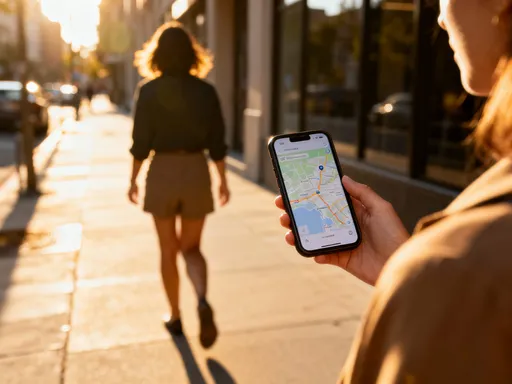
It happened by accident. My sister was planning a family reunion—three generations, seven households, and a dog. I assumed it would be chaos. But when she sent the itinerary, it wasn’t a messy chain of texts. It was a single link. I clicked it, and there it was: a clear, colorful route with stops, times, and notes. ‘Lunch spot—gluten-free options available.’ ‘Restroom break at mile 120.’ ‘Photo stop—scenic overlook with easy access.’ And underneath, a little section: ‘Voted by the group.’
I asked her what magic she’d used. She smiled and said, ‘It’s this app—super simple. Everyone adds what matters to them, and we vote on the stops.’ No drama. No confusion. Just clarity. I tried it for our next girls’ weekend, and within minutes, we’d done more than we had in weeks of texting. We added our preferred departure time, flagged rest stops, and even picked a restaurant together—without a single argument.
The app wasn’t flashy. It didn’t have AR filters or voice commands. It was just… thoughtful. It let each of us contribute in our own time, without pressure. No one had to dominate the conversation. No one got overlooked. And the best part? It updated in real time. When Maria realized she’d double-booked a doctor’s appointment, she adjusted her arrival time, and the whole group saw it instantly. No need to ping everyone. No fear of being ‘that person’ who messes up the plan.
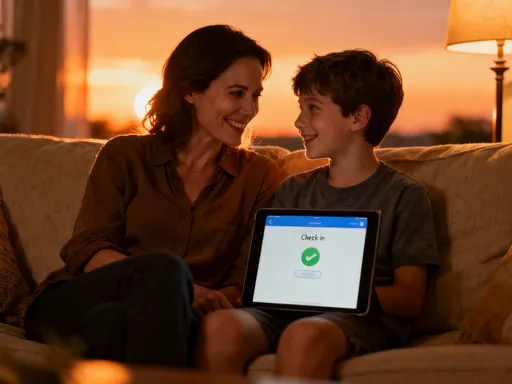
For the first time, planning felt light. Not stressful. Not overwhelming. Just… easy. And that ease carried over into the trip itself. We arrived at the cabin relaxed, not exhausted from days of digital tug-of-war. We laughed more. We listened more. And when we stopped at that overlook with the golden sunset, no one was checking their phone to argue about the route. We were just present—finally, truly together.
How It Works Without Taking Over
One of the things I love most about this app is that it doesn’t try to control the trip. It doesn’t tell you when to wake up or how long to stay. Instead, it acts like a quiet helper—there when you need it, invisible when you don’t. Think of it like a kitchen counter where everyone can leave their ingredients. You don’t have to cook the meal alone. Everyone brings what they need, and together, you create something that works for all.
Here’s how it works in real life: You start by creating a trip and inviting your group. Each person can add stops—coffee shops, rest areas, parks, photo spots—based on what matters to them. Maybe you want to visit a lavender farm. Your friend needs a pharmacy stop. Another wants to see a historic bridge. Everyone adds their ideas. Then, you vote. Not argue. Not negotiate for an hour. Just vote. The most popular stops rise to the top. The app arranges them in a smart order, minimizing backtracking and drive time. You can drag and drop to adjust, add notes, or change times. And if someone needs to update their schedule? They do it once, and the whole group sees it.
I’ll never forget the moment it clicked for us. We were on the road, and my friend Julie said, ‘I really need to stretch my legs—can we stop soon?’ Before, that would’ve sparked a debate: ‘Are we off schedule?’ ‘Will we lose time?’ ‘Who’s in charge of decisions?’ But this time, she opened the app, tapped ‘Add Rest Stop,’ and chose a park nearby. The app recalculated the route in seconds. We all got a gentle notification. No drama. No guilt. Just a smooth adjustment. We pulled over, walked through a sunlit trail, took silly photos, and got back on the road—happier and more connected than before.
That’s the magic. The app doesn’t replace human connection. It protects it. By handling the logistics with care, it frees us to be present with each other. We’re not spending the trip recovering from the planning. We’re actually enjoying it.
More Than Routes—It’s About Trust and Inclusion
What surprised me most wasn’t just the smoother travel. It was how the app changed our group dynamics. I noticed quieter friends—like Lisa, who usually stays out of decisions—starting to add stops. She suggested a small bookstore we’d never have found on our own. Because her input was just a tap away, she didn’t have to speak up in a loud group chat. Her voice was heard, gently and respectfully.
And then there was my mom, who uses a cane. In past trips, we’d often forget to check if a trail or restaurant was accessible. She’d smile and say, ‘It’s fine, I’ll manage.’ But this time, she added a note to each stop: ‘Need step-free entrance.’ The app flagged which locations met that need. We chose spots that worked for everyone—not as an afterthought, but as part of the plan from the start. When we arrived at a café with a ramp and wide aisles, she looked around and said, ‘You know, I feel like I’m really part of this.’ That moment stayed with me.
This is where the app goes beyond convenience. It builds trust. When people see their needs reflected in the plan, they feel valued. They’re not just along for the ride. They’re co-creators. And that shifts something deep. It’s not just about avoiding conflict. It’s about creating belonging. The app doesn’t generate empathy—but it creates space for it. It makes it easy to say, ‘I see you. I remember what matters to you.’ And in a world that often feels rushed and impersonal, that’s a rare and beautiful thing.
Real-Life Wins: From Road Trips to Family Reunions
Since we started using this tool, I’ve seen it work in so many different ways. My sister used it for a family reunion with 14 people, including her 80-year-old dad and two toddlers. They planned stops every 90 minutes, added quiet time at the hotel, and even coordinated nap schedules. The trip wasn’t perfect—someone still spilled coffee on the map—but it was peaceful. No one felt pushed too hard. No one felt left behind.
A friend used it for a college reunion. Five women, now in their 50s, hadn’t traveled together in 30 years. They were nervous—would they still connect? The app helped them plan a weekend with a mix of activity and downtime. They added a yoga class, a wine tasting, and a long dinner at a restaurant with soft lighting and comfortable chairs. ‘We didn’t just survive the trip,’ she told me. ‘We fell in love with each other all over again.’
Even at work, a colleague used it for a team retreat. Instead of one person dictating the agenda, everyone added what they wanted—hiking, brainstorming sessions, free time. The result? Higher energy, more engagement, and zero resentment. People felt ownership. They showed up not because they had to, but because they wanted to.
These aren’t isolated wins. They’re proof that when we make planning inclusive, we make the experience better for everyone. The app didn’t create the connection—but it removed the barriers that so often block it. And in doing so, it gave us back the joy of traveling together.
Making It Your Own: A Simple Start
If you’re thinking, ‘This sounds great, but I’m not tech-savvy,’ I get it. I felt the same way. But here’s the truth: this isn’t about mastering technology. It’s about choosing peace over stress, connection over chaos. You don’t need to plan a cross-country trip to start. Try it for a day trip to a nearby town. Invite three friends. Add one or two stops. See how it feels to plan together, not alone.
Here’s how to begin: First, pick a low-pressure trip—brunch with friends, a garden tour, a weekend at a lake house. Create the trip in the app and invite your group. Encourage everyone to add one thing that matters to them—could be a coffee shop, a restroom stop, or a scenic view. Then, vote. Keep it light. Laugh at the silly suggestions. Celebrate the wins. You don’t need to get everything right. You just need to start.
And if someone says, ‘I don’t know how to use it,’ show them. Take 60 seconds. Tap, add, send. Most apps today are designed for real life, not tech experts. The goal isn’t perfection. It’s harmony. It’s making sure no one feels like an afterthought. It’s showing up for each other, not just showing up.
Because at the end of the day, the best trips aren’t the ones with the most Instagrammable moments. They’re the ones where you feel truly together—heard, included, and at peace. And sometimes, all it takes is one small tool to make that possible. We didn’t just fix our arguments. We rebuilt our joy. And now, every time we plan a trip, we don’t dread the chat. We look forward to it. Because we know—this time, we’re not just going somewhere. We’re going together.