From exhausted to energized: How a sleep app reset my rhythm and changed my days
You know that groggy, drained feeling when you wake up after yet another restless night? I used to drag myself through mornings, relying on coffee and willpower. My focus slipped, my mood dipped, and my days felt uphill from sunrise. Then I started using a simple sleep tracking app—not as a gadget, but as a mirror. It showed me patterns I’d ignored for years. This isn’t about perfect sleep scores—it’s about waking up feeling like yourself. Here’s how adjusting my sleep schedule quietly transformed everything.
The Morning That Made Me Snap
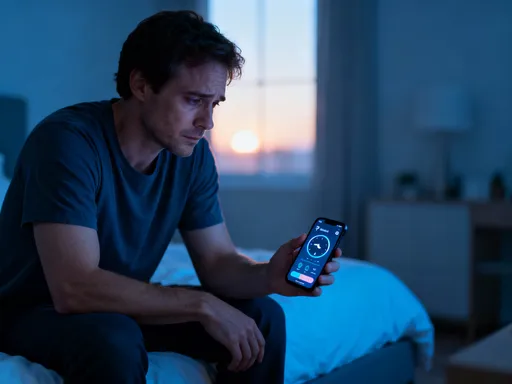
It was a Tuesday, but it could’ve been any day that week. I woke up at 5:43 a.m. for the third time that night, staring at the ceiling, counting the minutes until I could justify getting out of bed. My body felt heavy, like I’d been running a marathon in my sleep. And honestly, I wasn’t even sure I had slept. The alarm hadn’t gone off yet, but my mind was already racing—laundry to fold, school lunches to pack, a presentation at work I hadn’t finished. I wasn’t ready. I hadn’t been ready for weeks.
Then my daughter came into the room, her little voice soft but insistent. “Mommy, why are you always grumpy in the morning?” I turned to her, startled. Grumpy? I didn’t want to be that mom. The one who snaps over spilled cereal, who forgets permission slips, who hugs without really being there. But the truth hit me like a cold splash of water—I hadn’t been present. Not really. I was going through the motions, surviving on caffeine and guilt. And it wasn’t just me suffering. My irritability, my short fuse, my lack of energy—it was seeping into everything. My marriage felt strained. My kids tiptoed around me before noon. Even my dog seemed to give me extra space.
That moment changed something. I realized I wasn’t just tired. I was emotionally drained, mentally foggy, and physically worn down. And I wasn’t going to fix it with another cup of coffee or a motivational quote on Instagram. I needed real help. Not a quick fix, but a sustainable way to understand what was happening to my body at night. I didn’t need more discipline—I needed insight. And that’s when I decided to try a sleep tracking app, not as a tech experiment, but as a lifeline.
Discovering the App That Felt Like a Friend
I’ll admit, I wasn’t optimistic. I’d downloaded health apps before—step counters, water trackers, meditation timers. Most lasted a week. I’d get excited, log in religiously for a few days, then forget about them. So when a friend mentioned she’d been using a sleep tracking app that “actually helped,” I rolled my eyes. Another gadget promising miracles, I thought. But I was desperate enough to try.
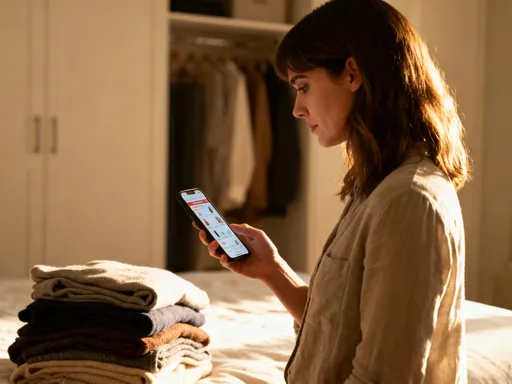
I downloaded it one Sunday night, half-heartedly syncing it with my phone and wearable. I didn’t expect much. But what surprised me wasn’t the technology—it was the tone. The app didn’t open with a stern message like “You only slept 5 hours. Try harder.” Instead, it greeted me with something like, “How are you feeling this morning?” It asked gentle questions: “Did you have any caffeine after 3 p.m.?” “How stressed did you feel before bed?” “Any screen time in the last hour?” It felt less like being judged and more like being listened to.
Within a few nights, I started noticing patterns the app highlighted. It pointed out that on nights I scrolled through social media past 10 p.m., my deep sleep dropped by nearly 30%. On weekends when I stayed up late “catching up,” I didn’t actually sleep more—I just disrupted my rhythm. And the nights I had even one glass of wine? My sleep was lighter, more fragmented. The app didn’t shame me. It didn’t say, “You’re doing everything wrong.” It simply showed me the connections, like a friend quietly saying, “Hey, maybe that’s why you feel so wiped.”
For the first time, I felt understood. This wasn’t about blame. It was about awareness. And that small shift—from guilt to curiosity—made all the difference.
Seeing My Sleep for the First Time
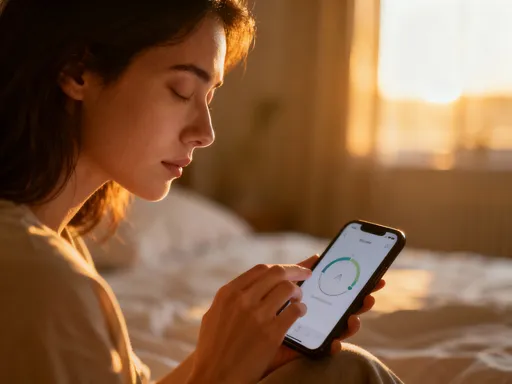
The first full sleep report I received was a wake-up call—literally. I had gone to bed around 11:30 p.m., thought I fell asleep quickly, and woke up at 6:15 a.m. In my mind, that was about 6.5 hours of sleep. Not great, but not terrible. The app, however, told a different story.
According to the data, I only spent 4 hours and 42 minutes in actual sleep. The rest? Tossing, turning, waking up, checking the time, worrying about the next day. My body was in bed, but my brain was still running a marathon. The app broke it down into color-coded phases—light sleep in soft yellow, deep sleep in calming blue, and wakefulness in stark red. Seeing those red spikes throughout the night was jarring. I wasn’t just tired because I didn’t sleep enough. I wasn’t sleeping well.
What hit me hardest was realizing I’d been confusing “being in bed” with “resting.” I’d lie there for hours, thinking I was doing the right thing, when in reality, my body was stuck in a state of low-grade stress. The app didn’t sugarcoat it. But it also didn’t make me feel like a failure. Instead, it gave me something I hadn’t had in years: clarity. I finally had a clear picture of what was happening, and that made change feel possible. Knowledge wasn’t just power—it was hope.
I started to look forward to the morning summary. It wasn’t about chasing a perfect score. It was about understanding my body’s rhythms, noticing what helped, and learning what hurt. That graph wasn’t just data. It was a story—one I’d been too exhausted to read until now.
Small Shifts, Big Results
I didn’t try to overhaul my life overnight. The app didn’t demand that either. Instead, it offered gentle suggestions—tiny, doable changes that fit into real life. One of the first was setting a wind-down reminder for 9 p.m. “Time to start relaxing,” it would say. No pressure, no alarm, just a soft nudge. At first, I ignored it. But one night, I actually listened. I turned off the TV, put my phone in another room, and read a book instead. I didn’t fall asleep immediately, but my mind felt calmer. And when I checked the app the next morning, I saw something incredible: my time to fall asleep had dropped from 45 minutes to just 22.
That small win gave me momentum. The next week, I tried another suggestion: no screens 30 minutes before bed. I know, it sounds simple. But for someone who used her phone like a security blanket, it was a big deal. I started leaving it in the kitchen after dinner. At first, I missed it. I’d catch myself reaching for it out of habit, especially when I felt anxious. But slowly, I replaced the scroll with other rituals—sipping herbal tea, journaling three things I was grateful for, or just sitting quietly with my thoughts.
The app began to notice the changes too. My deep sleep increased. My wake-ups decreased. And on mornings when I woke up before the alarm, I didn’t feel groggy. I felt… rested. Not perfect, not energized like a fitness influencer, but like a normal human who had actually slept. The app celebrated these moments with little badges—“Consistency Champion,” “Wind-Down Warrior”—and while they sounded a little cheesy, they made me smile. They reminded me that progress wasn’t about perfection. It was about showing up, again and again.
What surprised me most was how these tiny changes started to spill over into other areas. I found myself making better food choices during the day. I had more patience with my kids. I even started going for short walks after dinner instead of collapsing on the couch. The app wasn’t just changing my nights—it was reshaping my days.
How My Days Began to Change
One morning, about six weeks in, I woke up at 6:10 a.m. naturally. No alarm. No dread. I stretched, took a deep breath, and realized something remarkable—I didn’t feel tired. Not even a little. My body felt light. My mind was clear. I got up, made coffee, and sat by the window watching the sunrise, actually present for the moment. My daughter came downstairs, and instead of snapping when she spilled her juice, I laughed. “It’s okay, sweetie. We’ll clean it up together.” She looked at me, surprised. “You’re happy this morning!” she said.
And I was. Not because anything in my life had changed—my to-do list was just as long, my job just as demanding, my kids just as messy. But I had changed. I had energy. Real, sustainable energy. I wasn’t running on adrenaline and sugar. I was operating from a place of balance. At work, I noticed I could focus for longer stretches. I stopped zoning out during meetings. I even volunteered to lead a project I would’ve avoided before, simply because I had the mental bandwidth.
My relationships improved too. I was more patient with my husband. I listened more. I initiated conversations instead of shutting down when I felt overwhelmed. My kids noticed. “You’re not yelling as much,” my son said one evening. “I like it.” I hugged him tight, blinking back tears. This wasn’t just about sleep. This was about showing up as the mom, the wife, the person I wanted to be.
Even my skin looked better. Friends asked if I’d started a new skincare routine. I hadn’t. But I had started sleeping better. And it showed. Energy became my new normal. Not the frantic, jittery kind from too much coffee, but a steady, quiet strength. I wasn’t surviving the day—I was enjoying it. And that, more than any data point, was the real victory.
Making It Work for Real Life
Of course, life isn’t perfect. There are still nights when I stay up too late helping my daughter with a school project. There are stressful days when I forget to wind down. Last week, my youngest got sick, and I was up every two hours. The app didn’t scold me. It didn’t give me a failing grade. Instead, it offered gentle recovery tips: “Try a 20-minute nap if possible,” “Hydrate well today,” “Consider an early bedtime tonight.” It felt supportive, not punitive.
What I’ve learned is that consistency matters more than perfection. The app helped me see that one bad night doesn’t ruin everything. What matters is how quickly I get back on track. And now, I have tools to do that. I know that even if I mess up, I can reset. I can listen to my body. I can make a small choice—like putting my phone away earlier or drinking chamomile tea—and shift the trajectory of my night.
The app has become part of my routine, like brushing my teeth or making my bed. But it’s more than a tool now. It’s a companion in my self-care journey. It doesn’t replace intuition, but it enhances it. It helps me tune in when I’m too busy to notice. And on the days when I’m tempted to skip my wind-down routine, I hear its gentle reminder in my head: “You’ve got this. Just start small.”
It’s not magic. It’s not a cure-all. But it’s given me something invaluable: awareness, compassion, and a little extra support when I need it most. And in the chaos of motherhood, that’s everything.
Why This Matters Beyond Just Sleep
When I first downloaded the app, I thought it was just about sleeping better. But what I’ve gained goes so much deeper. I’ve reclaimed my mornings. I’ve rediscovered my patience. I’ve found joy in the small moments—the smell of coffee, the sound of my kids laughing, the quiet before the day begins. I’m not just more rested. I’m more present. More patient. More like myself.
This journey taught me that technology, when used with intention, can be a force for good. It’s not about replacing human connection or ignoring our instincts. It’s about using tools to support our well-being in ways that fit our real lives. The app didn’t fix me. I did. But it gave me the insights, the encouragement, and the gentle nudges I needed to make those changes stick.
What started as a simple experiment turned into a life upgrade. I’m not chasing perfect sleep scores anymore. I’m chasing peace. Energy. Presence. And I’ve found them—not in a pill, not in a drastic lifestyle change, but in small, consistent choices powered by a little digital help.
If you’re reading this and recognize that tired version of yourself—the one who drags through mornings, who feels like she’s always one step behind—know this: you’re not broken. You don’t need to try harder. You might just need to understand yourself better. And sometimes, the right tool can help you do that. It did for me. And I promise, it’s never too late to start waking up feeling like yourself again.