What if Your Bike Ride Could Compromise Your Privacy?
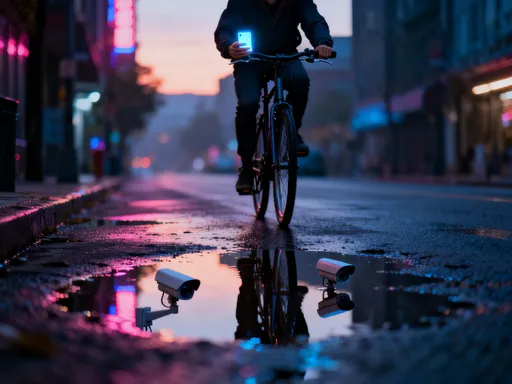
How often do you think about what your apps know about you? Every time you unlock a shared bike, you’re not just starting a ride—you’re sharing your location, habits, and personal routines. These apps make life easier, yes, but what’s really happening behind the scenes? Are your daily routes safe? Is your data protected? Let’s talk about something we all overlook: the invisible cost of convenience. It’s not just about getting from point A to B. It’s about what gets collected along the way—your timing, your patterns, even your unspoken preferences. And while the ride feels simple, the digital trail it leaves might be anything but.
The Morning Commute That Knows You Too Well
Picture this: it’s 7:45 a.m., and you’re stepping out the door with your coffee in hand. You tap your phone, unlock a nearby bike, and glide through the quiet morning streets. It’s efficient, refreshing, and feels completely under your control. But behind that smooth tap-to-ride experience, something else is happening—something invisible. The app logs the exact time you left home. It notes your destination. It tracks your speed, your stops, and how long you linger at the park before heading to work. By the time you dock the bike, your digital footprint has already been recorded in detail.
This isn’t science fiction. It’s the reality of how bike-sharing platforms operate today. Every ride generates a data trail that includes your GPS coordinates, device ID, account information, and even weather conditions at the time. Over time, this builds a surprisingly accurate map of your life—your work hours, your favorite coffee shop, your weekend errands. And while companies claim this data helps improve service quality, the bigger question remains: who else might have access to it? Because once that information is collected, it’s no longer just yours.
Think about how much of your routine is predictable. You leave home at the same time each weekday. You pass the same corner store. You stop at the library every Thursday. That consistency is convenient for you—but it’s valuable for others. Algorithms can detect patterns in your behavior and use them to predict your next move. That’s powerful when used for good, like optimizing city bike lanes. But it becomes concerning when that same data is shared with third parties without your clear understanding or consent. The truth is, your morning commute knows you better than you think—and not everyone with access to that knowledge has your best interests at heart.
Convenience vs. Control: What Are You Giving Up?
We love convenience. That’s why we download apps that let us unlock bikes with a tap, pay without cash, and navigate unfamiliar streets without a map. But every time we accept terms and conditions without reading them, we’re trading a piece of our control for that ease. Bike-sharing apps often request permissions that go beyond what’s necessary—access to your location at all times, your contacts, your calendar, even your camera. Why would a bike app need your photo library? It probably doesn’t. Yet many of us click “allow” without questioning it, trained by years of fast-paced digital interactions to prioritize speed over safety.
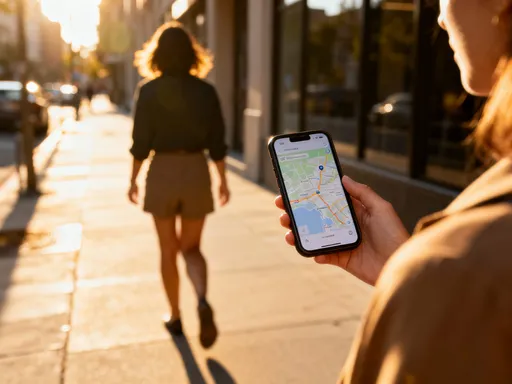
Here’s the thing: each permission you grant is a door. Some doors lead to helpful features—like suggesting nearby stations based on your location. But others open pathways to data collection that can be used in ways you never intended. For example, if an app has access to your contacts, it might suggest friends to ride with. That sounds friendly, right? But behind the scenes, your social network is being mapped, and that data could be stored or shared. If the app tracks your location continuously, it doesn’t just know where you are during a ride—it knows when you’re home, when you’re at your child’s school, or when you visit the doctor.
And let’s talk about payment. Most bike-sharing apps store your credit card information for quick checkout. That’s useful—until a breach happens. Even if the company uses encryption, the more data they collect, the bigger the target they become. Cybercriminals don’t break in for the bikes. They come for the data. Your name, email, phone number, payment method, and ride history form a digital profile that’s valuable on the black market. Once that’s compromised, it can take months—or years—to fully recover. So while the app promises freedom from traffic and parking, it may also be quietly eroding your control over personal information. The real cost of convenience? Sometimes, it’s your privacy.
The Hidden Life of Your Riding Data
You finish your ride. You dock the bike. You close the app. To you, the experience is over. But for your data, the journey is just beginning. That ride doesn’t disappear—it gets stored in servers, often for months or even years. Companies say they keep it to improve service, analyze traffic patterns, and maintain fleet efficiency. And yes, some of that is true. But your data also becomes part of a larger system where it’s analyzed, categorized, and sometimes shared.
Here’s how it often works: your ride history is combined with thousands of others to create anonymized datasets. These are then used for urban planning, advertising, or sold to third-party partners. Cities might use the data to decide where to build new bike lanes. Advertisers might use it to target people who commute through certain neighborhoods. Insurance companies could, in theory, use mobility patterns to assess lifestyle risks—though this is still emerging and highly regulated in most places.
But here’s the catch: “anonymized” doesn’t always mean “safe.” Studies have shown that even when names and emails are removed, it’s often possible to re-identify people using just a few data points—like your home location, workplace, and regular routes. If someone knows you leave home at 8:05 a.m. and arrive at the same office building every day, they can likely figure out who you are. And once re-identified, your data is no longer anonymous. It’s personal. It’s traceable. And it’s vulnerable.
Another concern is data aggregation. Bike-sharing companies don’t operate in isolation. Your data might be linked with other apps you’ve connected—like your fitness tracker, calendar, or social media. Over time, this creates a detailed behavioral profile that goes far beyond transportation. It can reveal your health habits, your social life, your shopping preferences. And while none of this may feel malicious on the surface, the cumulative effect is a digital shadow that follows you everywhere—often without your knowledge or permission.
When Trust Is Broken: Real Cases of Data Leaks
No digital system is immune to risk. Even companies with strong security measures have experienced data breaches. In recent years, several mobility platforms—including bike and scooter services—have faced incidents where user data was exposed due to misconfigured databases or weak cybersecurity practices. In one well-documented case, a database containing millions of user records was left unprotected on the internet, accessible to anyone with a web browser. The data included names, phone numbers, trip histories, and even partial payment information.
These aren’t isolated events. They’re reminders that digital convenience comes with inherent risks. While most companies act responsibly and encrypt sensitive data, human error, software flaws, or outdated systems can create openings for exposure. And when a breach happens, the impact isn’t just technical—it’s personal. Imagine someone knowing your daily routine, your frequented locations, or your financial details. That’s not just an invasion of privacy. It can lead to real-world consequences like stalking, identity theft, or targeted scams.
What’s especially troubling is how quietly these incidents can unfold. Users are often notified days or weeks after the fact—if they’re notified at all. And even when companies issue apologies and promise improvements, the damage is already done. Your data, once exposed, can’t be fully taken back. It might be copied, sold, or stored in hidden corners of the internet forever. That’s why it’s so important to understand that trust shouldn’t be given blindly. It should be earned—and verified.
The good news? Awareness is growing. Regulators are imposing stricter data protection laws. Consumers are demanding more transparency. And some companies are responding by improving encryption, limiting data retention, and offering clearer privacy controls. But progress takes time. Until then, the responsibility also falls on us—the users—to be cautious, informed, and proactive. Because while most rides go smoothly, it only takes one breach to change everything.
How to Ride Smarter, Not Just Faster
You don’t have to give up bike-sharing to protect your privacy. But you can—and should—use these apps more mindfully. Think of it like locking your front door. You wouldn’t leave it wide open just because it’s easier. The same principle applies to your digital life. A few small, consistent habits can make a big difference in how much of your personal information is exposed.
Start with your app permissions. Go into your phone’s settings and review what the bike-sharing app can access. Does it really need your contacts or calendar? Probably not. Turn off location access when the app isn’t in use. Many apps request “always-on” location tracking, but you can usually change this to “only while using the app.” That way, it can’t monitor you when you’re not riding. It’s a simple step, but it cuts off a major data stream.
Next, consider using a secondary email address for your account. Don’t use your primary inbox—the one tied to your bank, your kids’ school, or your medical records. A separate email creates a buffer. If the account is ever compromised, the fallout is contained. You can even use a nickname instead of your real name when signing up, as long as the service allows it. Every layer of separation makes it harder for your data to be linked back to your full identity.
And don’t forget to log out. Yes, it’s a tiny hassle, but staying logged in means your account is always active and potentially trackable. Logging out after each ride adds a small barrier to unauthorized access. It’s like closing the garage door behind you—just one more step to keep things secure. Also, regularly clear your app cache and update the app to the latest version. Updates often include security patches that fix known vulnerabilities.
Finally, pay attention to privacy settings within the app itself. Some platforms let you opt out of data sharing for marketing or research. Take that option. You may not see a pop-up ad for a new cafe along your route, but you’ll also reduce the chance that your habits are being sold to advertisers. It’s not about rejecting technology—it’s about using it on your terms.
Teaching Teens and Family to Protect Themselves
If your teenager uses a bike-sharing app, have you talked to them about privacy? Most kids today are tech-savvy, but that doesn’t mean they understand data risks. They might think, “I’m just riding to the mall—why does it matter?” But every tap, every login, every shared location builds a digital record. And teens are often the most vulnerable because they’re still learning to balance freedom with responsibility.
The key is to start the conversation early—and keep it practical. Instead of saying, “Be careful online,” try something like, “Did you know that app knows where you go every day? What if someone could see that?” Use real scenarios they can relate to. For example, “Imagine if a stranger knew you were at the park alone every Tuesday after school. That’s not safe.” Frame it as digital street smarts—just like you taught them to look both ways before crossing the road.
Walk them through the same steps you’d take: reviewing app permissions, using a separate email, turning off location tracking. Show them how to check privacy settings. Make it a shared activity, not a lecture. You might even set up their account together, modeling good habits from the start. And remind them that just because an app asks for access doesn’t mean they have to say yes. “No” is a powerful word in the digital world, too.
For younger kids or elderly parents, the approach might be different, but the goal is the same: awareness without fear. You wouldn’t scare them by saying, “Your data could be stolen!” Instead, say, “Let’s make sure we’re only sharing what we need to.” Help them understand that privacy isn’t about hiding—it’s about choosing. And like any skill, it gets stronger with practice. When the whole family learns to ride smarter, everyone benefits.
Building a Future Where Tech Serves You—Not Tracks You
The best technology should feel like a helper, not a watcher. It should make your life easier without making you uneasy. And while today’s bike-sharing apps offer real benefits—cleaner cities, less traffic, more freedom—we deserve to use them without sacrificing our privacy. The future of tech shouldn’t be about trade-offs. It should be about trust, transparency, and user control.
As consumers, we have power. When we demand better privacy practices, companies listen. We can support platforms that offer clear privacy policies, strong encryption, and real opt-out options. We can choose services that don’t sell our data or track us beyond what’s necessary. And we can reward honesty with loyalty—sticking with companies that respect our boundaries.
At the same time, we can keep learning and adapting. Technology will keep evolving. New apps, new features, new risks. But so will we. Every time we adjust a setting, question a permission, or talk to a loved one about digital safety, we’re building a stronger, more informed community. We’re saying that convenience shouldn’t come at the cost of our peace of mind.
So the next time you unlock a bike, take a moment to think about what that simple action really means. It’s not just a ride. It’s a choice. A choice about how much you share, who you trust, and what kind of digital world you want to live in. Because your journey—on the road and online—should be yours to control. And with a little awareness, a few smart habits, and a lot of common sense, it can be.