It's not just about hydration: How a water app quietly boosted my focus and learning
You know that feeling when your brain feels foggy no matter how much coffee you drink? I did too—until I started using a simple water reminder app. At first, it was just about drinking more water. But then something unexpected happened: I could think clearer, stay focused longer, and actually remember what I read. Turns out, hydration doesn’t just help your body—it sharpens your mind in ways most of us never expect. What began as a small experiment turned into a quiet transformation, not just in how I feel physically, but in how I learn, parent, and show up in my day. This isn’t about chasing perfection. It’s about giving your brain the basic fuel it’s been missing all along.
The Morning Struggle That Changed Everything
For years, my mornings followed the same exhausting rhythm. Wake up tired. Chug coffee. Stare at the same sentence three times without absorbing a word. By 10 a.m., I’d already feel mentally drained, like my brain was running on fumes. I’d blame it on lack of sleep, busy schedules, or just being a mom of two who never gets a full night’s rest. But deep down, I knew something was off. I wasn’t just tired—I was foggy. My thoughts were sluggish, my attention scattered. I’d start reading an article or studying for a certification, only to realize I’d read the same paragraph twice and still had no idea what it said.
Then one afternoon, during a rare coffee break with a friend, she mentioned something that caught me off guard. She wasn’t talking about a new skincare routine or a fancy wellness retreat—she was talking about a water tracking app. Not for weight loss. Not for glowing skin. For focus. For mental clarity. I remember laughing at first. “You’re telling me water makes you smarter?” But she was serious. She explained how she’d noticed a difference in her concentration and memory since she started drinking consistently throughout the day. And the app? It wasn’t just about counting glasses—it helped her build a rhythm, a habit that stuck because it felt personal, not punishing.
Skeptical but desperate for a change, I downloaded one that night. I didn’t expect much. I figured I’d try it for a week, maybe drink a little more water, and move on. But something shifted. The first few days were rough—my body wasn’t used to regular sipping, and I kept forgetting. But by day ten, I woke up and realized I didn’t reach for coffee immediately. Not because I’d quit caffeine, but because I didn’t need it. My head felt clearer. My thoughts were sharper. I could focus on a task without feeling mentally heavy. It wasn’t magic. It wasn’t a miracle supplement. It was water. And that realization hit me like a quiet thunderclap: I’d been under-fueling my brain for years.
How Hydration Actually Affects Your Brain (Without the Science Jargon)
Let’s be honest—when we think about drinking water, we usually think about our bodies. Less bloating. Healthier skin. Better digestion. But what most of us don’t realize is that your brain is about 75% water. It’s not just a factoid—it’s a game-changer. Think of your brain like a garden. Without regular watering, the plants start to wilt. They don’t grow. They don’t bloom. They just survive. That’s what happens when you’re even slightly dehydrated. Your brain doesn’t shut down, but it slows down. And that slowdown shows up in ways we often blame on stress, age, or being “just tired.”
Research—real, peer-reviewed studies—shows that even mild dehydration, like losing just 1-2% of your body’s water, can affect your ability to focus, make decisions, and remember things. It impacts your mood, too. You might feel more irritable, anxious, or mentally drained. I didn’t know this at the time, but looking back, so much of my “mom brain” wasn’t mom brain at all. It was dehydrated brain. I’d go hours without drinking, especially during busy mornings or deep work sessions, and wonder why I couldn’t keep up.
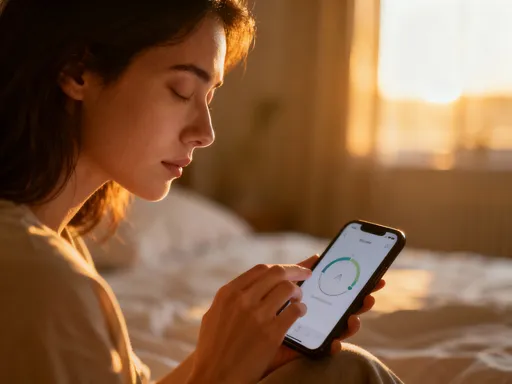
The app changed that by making the invisible visible. It didn’t just say “drink water.” It showed me patterns. Like how on days I drank less than 60% of my goal, I’d feel sluggish by 2 p.m. Or how skipping water before a study session made it take me twice as long to understand the material. It wasn’t about perfection—some days I still fell short. But the awareness was powerful. I started seeing hydration not as a chore, but as a tool. A simple, accessible way to give my mind the support it needed to function at its best. And the best part? It didn’t require a lifestyle overhaul. Just a glass here, a refill there. Small shifts, big results.
The Feature I Didn’t Know I Needed: Smart Timing Based on Routine
When I first looked at water apps, I assumed they were all the same—annoying pop-ups at random times, like 10:17 a.m. or 3:03 p.m. The kind of reminders that make you groan and hit “snooze” without even looking. But the one I stuck with was different. It learned my rhythm. After a few days of use, it started noticing when I was most active, when I usually sat down to work, when I took breaks. And instead of blasting me with alerts, it adapted.
Here’s what changed: it began suggesting optimal drinking times based on my habits. For example, it knew I usually studied between 9 and 11 a.m., so it would gently remind me to drink a full glass 30 minutes before. Not during. Not after. Before. Why? Because hydration isn’t just about volume—it’s about timing. Drinking water before a mentally demanding task primes your brain, like warming up before a workout. And because the reminder came at the right moment, it felt helpful, not disruptive.
It also respected my boundaries. During meetings or when my calendar showed “focus time,” the app paused notifications. No more awkward moments of my phone buzzing in a quiet room or interrupting a deep conversation with my daughter. It wasn’t just smart—it was considerate. And that made all the difference. I didn’t feel nagged. I felt supported. The app became less of a tool and more like a quiet partner in my day, helping me stay on track without taking over. Over time, those well-timed sips became automatic. I didn’t have to think about it. I just did it. And that consistency—showing up for myself in small, daily ways—is where real change begins.
Learning Smarter, Not Harder: My Unexpected Study Breakthrough
I was preparing for a professional certification—a big one, something I’d been putting off for years. Every time I tried to study, I’d last 20 minutes before my mind wandered. I’d re-read paragraphs, forget key points, and feel frustrated. I blamed my age, my busy schedule, the noise of family life. But then I tried something new: I linked my water goals to my study sessions. Before I started a chapter, I’d drink a full 16-ounce bottle. Not because I was thirsty, but because I wanted to create a ritual—a mental reset.
Here’s what happened: that physical act of drinking water became a natural break. It forced me to pause, breathe, and reset before diving into new material. It also gave my brain time to process what I’d just read. I noticed I retained more. I needed fewer repetitions. And instead of feeling drained after an hour of studying, I felt energized. The app’s progress tracker showed my daily intake, but I started seeing it as a mirror of my mental effort. On days I hit my water goal, I also made more progress in my coursework. On days I skipped, I struggled.
It wasn’t just about the water—it was about the structure. The app helped me build a rhythm: drink, focus, pause, repeat. I stopped trying to power through mental fatigue and started working with my body’s natural cycles. And the result? I finished the certification six weeks ahead of my original plan. Not because I studied more hours, but because I studied smarter. My focus was sharper. My memory was better. And I felt proud—not just of the achievement, but of the small, consistent habit that made it possible. It reminded me that growth doesn’t always come from big leaps. Sometimes, it comes from a glass of water at the right time.
Family Habits That Changed Without a Single Lecture
One of the most surprising parts of this journey? Watching my kids pick it up without me saying a word. I didn’t give a speech about hydration. I didn’t post charts on the fridge. I didn’t nag. I just started drinking more water, guided by my app, and they noticed. My daughter, who used to live on juice boxes, asked if she could get a water bottle like mine. My son started refilling his glass every time he saw me check my phone for a reminder. It wasn’t forced. It wasn’t a battle. It just… happened.
We turned it into a quiet family habit. No rewards. No competitions. Just little check-ins. “Did you have your morning glass?” “Want to refill together?” Over time, I started noticing changes in them too. My daughter said she could focus better during homework. My son had fewer afternoon meltdowns—those moments when he’d get overwhelmed and shut down. His teacher even mentioned he seemed calmer during group work. Was it just the water? Probably not. But it was part of it. Hydration doesn’t fix everything, but it creates space for better moods, clearer thinking, and more patience—all things that make family life a little easier.
What I love most is that it became a shared language. We weren’t just drinking water. We were taking small moments to care for ourselves. And in a house full of constant motion, those quiet pauses matter. It didn’t replace our routines—it enhanced them. And it reminded me that the best lessons aren’t taught. They’re lived. When your kids see you prioritizing your well-being in simple, consistent ways, they learn to do the same. No lectures needed.
Beyond the Glass: Emotional Clarity and Daily Calm
I’ll admit, I didn’t expect emotional benefits. I thought hydration would help me feel less tired, maybe improve my skin. But what I didn’t anticipate was how much more patient and grounded I’d feel on days I stayed hydrated. It wasn’t dramatic—I didn’t wake up suddenly zen. But over time, I noticed I was less reactive. When the kids argued over toys or dinner burned, I didn’t spiral into frustration as quickly. I could take a breath and respond, instead of reacting.
I think part of it was the app’s gentle reminders. That little “Time to drink?” notification became more than a nudge to sip. It became a mindfulness cue. A chance to pause. To notice how I was feeling. To stretch my arms, take a deep breath, or just look out the window for a few seconds. Those tiny breaks added up. They weren’t long—just 10 to 20 seconds—but they created space in my day. And in that space, I found more calm.
On days I skipped water, I felt the difference. I was quicker to snap. More overwhelmed. Mentally heavy. It wasn’t just about physical energy—it was about emotional resilience. Hydration gave me a baseline of stability, even when life felt chaotic. And that’s something no productivity hack or time-management trick has ever given me. It wasn’t about doing more. It was about being more present, more patient, more myself. And that, I’ve learned, is one of the greatest gifts we can give our families.
Making It Last: How to Find the Right App (And Actually Use It)
Let’s be real—not all water apps are created equal. I tried five before I found one that worked for me. Some were too aggressive, buzzing every hour like a drill sergeant. Others were too vague, just a basic counter with no personalization. The one I stuck with felt different. It adapted to my life, not the other way around. It learned my schedule, respected my time, and made hydration feel effortless. That’s what you want—not a tool that adds stress, but one that removes it.
When you’re looking for the right app, here’s what I’d suggest: look for one that integrates with your calendar, learns your routine, and offers gentle, smart reminders. Bonus points if it tracks trends over time, so you can see how hydration affects your energy or focus. And most importantly, pick one that feels good to use. If it stresses you out, it won’t last.
Start small. Don’t aim for eight glasses on day one. Try one extra glass. Link it to something you already do—like after checking your email, before lunch, or during your afternoon break. The goal isn’t perfection. It’s progress. And when you start noticing real benefits—like clearer thinking, better focus, or calmer moments with your kids—the habit starts to stick on its own. You won’t be doing it because an app told you to. You’ll be doing it because you feel the difference.
This journey wasn’t about chasing a number on a screen. It was about giving myself the basic care I so often put last. And in doing so, I didn’t just improve my hydration. I improved my attention, my learning, my patience, and my presence. The app didn’t change my life. But it helped me see how much small, consistent choices matter. And sometimes, the simplest tools—like a glass of water and a gentle reminder—can quietly unlock the best version of yourself.