From Anxious to At Ease: How Water Leak Detectors Gave Me Back Peace of Mind
Living in an old apartment with creaky pipes, I used to wake up wondering: Did I leave the sink dripping? Is there a small leak under the washing machine? Could water be seeping beneath the floor right now, quietly damaging everything while I slept? One morning, I found a tiny puddle near the laundry area—nothing dramatic, just a few drops really—but it sent a chill through me. What if I hadn’t noticed? What if I’d been away for the weekend? That small moment of panic led me to discover water leak detectors. At first, they seemed like just another gadget crowding the smart home market. But over time, I realized they’re not about convenience—they’re about protection, peace, and the quiet confidence that your home is safe, even when you’re not watching it.
The Hidden Fear in Everyday Life: Water Damage No One Talks About
Let’s be honest—most of us don’t think about water leaks until something goes wrong. We’re busy juggling work, family, meals, and schedules. Checking behind the fridge or under the kitchen sink? That’s not exactly at the top of anyone’s to-do list. But the truth is, water damage doesn’t wait for permission. It starts small: a slow drip from a worn hose, a pinhole in a pipe, a condensation leak near the water heater. And because it often happens out of sight, it can go unnoticed for days, even weeks. By the time you see the warped floorboard or smell the musty air, the damage is already done.
I remember visiting a friend’s house after her family returned from vacation. She opened the door and gasped—her kitchen floor was buckling, the baseboards were swollen, and there was a faint dampness in the air. The culprit? A loose connection under the dishwasher that had been leaking slowly while they were away. The repair cost thousands, not to mention the stress of rearranging their lives while contractors tore up the flooring. She kept saying, “I wish I’d known. I wish I’d been able to stop it before it got this bad.” That moment stayed with me. It wasn’t just about money—it was about the feeling of helplessness, of losing control over the one place that’s supposed to feel safe.
For parents, this fear runs even deeper. Imagine your child accidentally leaving the bathroom tap running while you’re on a work call. Or your aging parents living alone, unable to notice a leak until it’s too late. These aren’t worst-case scenarios—they’re real, everyday risks. And the emotional toll is often heavier than the financial one. That low hum of anxiety—“Did I turn everything off?”—can wear you down over time. It’s not paranoia. It’s responsibility. And it’s something so many of us carry without even talking about it.
My First Encounter: Skepticism Meets Curiosity
My journey with water leak detectors started at a friend’s house during one of our weekend coffee catch-ups. We were chatting in her utility room while her toddler played nearby, and I noticed a small white device sitting on the floor near the water heater. It looked plain—no flashing lights, no screens, nothing impressive. “What’s that?” I asked, half-expecting it to be some kind of air purifier or Wi-Fi booster.
“Oh, that’s my water leak detector,” she said casually, pouring milk into her mug. “It beeps if there’s water where it shouldn’t be. And it sends me an alert on my phone.” I laughed a little. “Seriously? You have an alarm for water?” She just smiled. “After we had that small flood in the basement last winter, yes. Totally worth it.”
At the time, I thought it was a bit much. Another device? Another app to check? I already had a smart thermostat and a voice assistant. Did I really need to monitor water too? But that night, I couldn’t stop thinking about it. What if I was being too dismissive? What if this wasn’t about being high-tech, but about being prepared? I started doing a little research—not deep, just casual browsing. I read stories from people who’d avoided major disasters because of these small sensors. I watched a video of a woman getting an alert while she was at the grocery store and discovering a burst pipe before it ruined her entire basement. Slowly, my skepticism began to shift into curiosity. Maybe this wasn’t about fear. Maybe it was about care—about loving your home enough to protect it.
How It Works—Without the Jargon
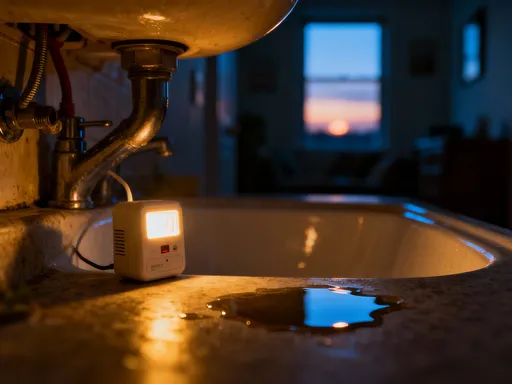
Here’s the good news: you don’t need to be a tech expert to understand or use a water leak detector. In fact, it’s one of the simplest smart home tools out there. Think of it like a smoke alarm—but for water. Instead of sensing smoke, it senses moisture. You place it on the floor in areas where leaks are most likely: under the kitchen sink, behind the washing machine, near the water heater, or in the basement. When everything’s dry, it does nothing. It just sits there, quietly doing its job.
But the moment it detects even a tiny amount of water—say, a few drops from a dripping faucet or a slow leak in a hose—it springs into action. Some models let out a loud beep to alert you if you’re nearby. Others send a notification straight to your phone, no matter where you are. I remember setting mine up for the first time. It took less than ten minutes. I wiped the floor dry, peeled off the backing, stuck it down, and connected it to my home Wi-Fi using a simple app. No drilling, no wiring, no complicated setup. My husband even said, “That’s it? I thought it would be harder.”
And here’s the key thing to understand: these detectors don’t stop leaks. They don’t fix pipes or tighten connections. What they do is catch problems early—before a small drip becomes a big flood. It’s like having a nightlight in a dark hallway. It doesn’t prevent you from tripping, but it helps you see the obstacle before you fall. That early warning is everything. It gives you time to act, to shut off the water, to call a plumber, to avoid disaster. And that’s where the real value lies—not in the device itself, but in the time it buys you.
The Moment It Proved Itself: A Leak Caught Before Disaster
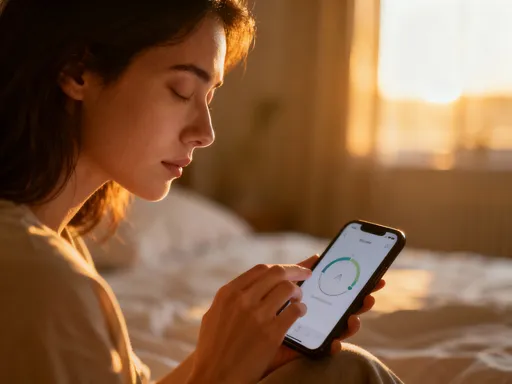
I’ll never forget the Saturday morning I got the alert. My family and I were two hours into a road trip to visit my sister. We’d just stopped for coffee when my phone buzzed. At first, I thought it was a message or a calendar reminder. But then I saw it: “Water detected in laundry room.” My heart dropped. I pulled up the app and confirmed it—the sensor near the washing machine had triggered.
I called my neighbor, who agreed to check the apartment. Ten minutes later, she sent a photo. There, on the floor, was a small but steady stream of water coming from the back of the machine. The rubber hose had cracked—just a tiny split, really—but it was enough to leak several ounces every minute. If we’d been gone for the full weekend, the water could have pooled, soaked into the floor, damaged the subfloor, maybe even reached the apartment below. As it was, we were able to shut off the water remotely (our washing machine is connected to a smart water valve), and my neighbor wiped up the mess. No damage. No cost. Just a quick repair and a new hose.
When I told my husband what happened, he went quiet for a moment. Then he said, “That little thing just saved us a fortune.” And he was right. But more than that, it gave us something money can’t buy: peace of mind. I didn’t have to cut the trip short. I didn’t lie awake worrying. I knew the problem was caught, contained, and under control. That night, as we sat around my sister’s table laughing over dinner, I realized how much lighter I felt. The detector didn’t just protect our home—it protected our joy, our time, our ability to live without constant worry.
More Than Just a Gadget: How It Changed Daily Living
Since that day, my relationship with my home has changed. I don’t double-check the faucets before bed anymore. I don’t ask my kids five times if they turned off the bathroom sink. I don’t panic when I’m traveling. That constant mental checklist—“Did I turn everything off?”—has faded into the background. The detector handles that for me. It’s like having a quiet, reliable friend watching over the house while I focus on living.
For families, this shift is especially powerful. Kids will be kids. They’ll forget to tighten the tap, knock over a cup, or leave the shower running too long. With a detector in place, those little accidents don’t have to turn into big problems. I’ve had alerts for spilled drinks near the dishwasher, condensation from a cold pipe, even a pet water bowl that tipped over. Each time, it was nothing serious—but each time, I was glad to know. It’s not about being fearful. It’s about being free. Free to trust your home. Free to enjoy your time. Free to stop worrying about the invisible threats hiding behind walls and under floors.
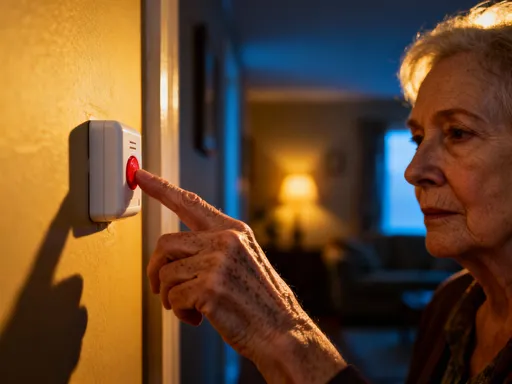
And it’s not just for young families. I recommended one to my mother, who lives alone now. She’s in her seventies and still sharp, but I worry about her—what if she didn’t notice a leak? What if she slipped on a wet floor? The detector gives me comfort, knowing she’ll be alerted if something goes wrong. She says it makes her feel safer, too. It’s not about age. It’s about care. And this small tool helps us care for the people and places we love, even when we’re not there.
Making It Work for Your Home: Simple Steps Anyone Can Take
If you’re thinking about trying a water leak detector, I’ll tell you this: start small. You don’t need to cover every corner of your home on day one. Pick one high-risk area—like under the kitchen sink or near the washing machine—and place one sensor there. That single device can make a real difference. Most models are affordable, often under $50, and they run on batteries that last a year or more. Some even have replaceable batteries, so you don’t have to buy a whole new unit when the power runs out.
Placement matters. Look for spots where water is likely to pool: near appliances with hoses, under sinks, by water heaters, or in basements and crawl spaces. Make sure the sensor is flat on the floor and not covered by rugs or storage bins. If you have a finished basement used as a playroom or home office, consider putting one there too—water damage can ruin furniture, electronics, and memories in minutes. And if you’re tech-savvy, you can connect your detector to other smart home systems. For example, some models can automatically shut off the main water supply when a leak is detected. That’s next-level protection, but even without it, the basic alert system is incredibly effective.
Don’t get overwhelmed by features. Some detectors offer temperature monitoring, freeze alerts, or integration with voice assistants. Those can be nice, but they’re not essential. Focus on reliability, ease of setup, and clear alerts. Read reviews from real users—especially those who’ve actually had the device catch a leak. And don’t wait for a problem to act. I used to think, “It won’t happen to me.” But the truth is, leaks don’t discriminate. They happen in new homes and old ones, in apartments and houses, to people who are careful and those who aren’t. Prevention isn’t about fear. It’s about wisdom. And wisdom starts with one small step.
Why This Matters: Technology That Truly Cares
In a world full of flashy gadgets and constant upgrades, it’s easy to forget that the best technology isn’t the one that impresses—it’s the one that protects. Water leak detectors don’t win design awards. They don’t show off on social media. They don’t make your home look futuristic. But they do something far more important: they give you peace of mind. They stand guard while you sleep, while you work, while you travel. They watch over the places where life happens—the kitchen where you make memories, the laundry room where you care for your family, the basement where your kids play.
This isn’t about turning your home into a high-tech fortress. It’s about using simple, thoughtful tools to support the life you’re already living. It’s about reducing stress, preventing avoidable disasters, and creating space for what truly matters—time with loved ones, rest, joy, and the quiet comfort of knowing you’ve done what you can to keep your home safe. Technology should serve us, not distract us. And when it works like this—quietly, reliably, without fanfare—it becomes something more than a device. It becomes a partner in care.
So if you’ve ever paused at the door, wondering if you left the tap running, or if the pipes are holding up, or if everything is truly okay—know this: you’re not alone. And you don’t have to carry that worry. A small sensor, placed in the right spot, can lift that weight off your shoulders. It won’t solve every problem, but it will catch the ones that sneak up on you. And in a life full of responsibilities, that small gift of calm is worth more than you think. For me, it’s not just about avoiding water damage. It’s about reclaiming peace—one quiet alert at a time.