Tested 7 Project Management Tools for Online Courses: This One Cut My Study Time by Half
Have you ever started an online course full of motivation, only to lose track in a week? I did—over and over—until I found a better way. It wasn’t about willpower. It was about structure. After trying countless tools, one project management platform quietly transformed how I learn. No more chaos, no more guilt. Just clear steps, steady progress, and real results. This is how I finally made learning stick—and how you can too.
The Breaking Point: When Learning Feels Like Spinning Your Wheels
I’ve always loved learning. There’s something thrilling about signing up for a new online course—whether it’s mastering watercolor painting, understanding personal finance, or finally learning how to bake sourdough bread. That first week? I’m all in. I watch the welcome video, download the syllabus, maybe even buy a special notebook. But then life happens. The kids need help with homework. Dinner gets delayed. That 7 PM study block? Forgotten. By week two, I’m already behind. The guilt creeps in. I tell myself I’ll catch up this weekend—but weekends fill up too.
For years, I blamed myself. I thought I lacked discipline. Or that I wasn’t cut out for self-directed learning. But here’s what I finally realized: it wasn’t me. It was the system—or rather, the lack of one. Without a clear plan, deadlines, or a way to track progress, learning online felt like wandering through a maze blindfolded. I’d jump from one video to another, skip assignments, and forget where I left off. There was no rhythm, no momentum. Just a cycle of starting strong and fading fast.
Then one day, I asked myself a simple question: What if I treated this course like a real project? Not just a hobby, but something with structure, goals, and a timeline? That shift in thinking changed everything. I didn’t need more motivation. I needed a way to organize my learning—something that would keep me on track without adding stress. I needed a project management tool that worked for *me*, not just for teams in corporate offices.
Why Project Management Isn’t Just for Work Teams
We tend to think of project management tools as things for business—something managers use to assign tasks, track deadlines, and run meetings. But here’s the truth: any goal with steps, a timeline, and an outcome is a project. And learning? That’s definitely a project. Whether you’re taking a six-week photography course or teaching yourself a new language, you’re working toward a clear result. You have materials to review, exercises to complete, and milestones to hit. So why not manage it like one?
When I started looking at my courses this way, everything shifted. Instead of seeing learning as something vague and overwhelming, I began breaking it down into manageable pieces. Watch Lecture 3. Complete Quiz 2. Practice chords for 20 minutes. These weren’t just ‘things to do’—they were tasks in a bigger plan. And when I gave them structure, they became doable. I didn’t feel as overwhelmed. I felt in control.
That’s when I realized: the same tools that help teams launch products or plan events could help me plan my personal growth. A timeline feature could show me how far I’d come. A checklist could confirm I hadn’t missed anything. A calendar view could help me fit study sessions into my real life—around school runs, grocery shopping, and family time. I didn’t need a complicated system. I just needed one that made learning visible, organized, and sustainable.
The Search: Testing Tools That Promised More, Delivered Less
I’ll admit it—I went down a rabbit hole. Determined to find the right tool, I tested seven different platforms over three months. Some were well-known names. Others were niche apps recommended in online forums. I approached each one with hope. Maybe this one would be the answer. But one by one, they fell short.
The first was too complex. It had endless menus, dropdowns, and settings. By the time I figured out how to create a simple task, I’d already lost interest. Another was too rigid. It forced me into a workflow that didn’t match how I learn. I’m not someone who follows a strict schedule—I need flexibility. If I’m more inspired to study on a Wednesday night instead of Monday, I should be able to shift things without starting over.
One app looked beautiful—clean design, smooth animations—but it lacked basic reminders. I’d set a task and forget about it until I opened the app days later. Another synced with my calendar but didn’t let me drag and drop tasks. If my week got busy, I couldn’t easily reschedule. And none of them made it easy to see my progress at a glance. I wanted something visual, intuitive, and personal—like a dashboard for my learning life.
Then I found one that was different. It wasn’t the flashiest. It wasn’t even the most popular. But it had three things I needed: simplicity, flexibility, and visibility. It let me create boards for each course, add tasks with due dates, and move them around as my week changed. I could color-code priorities, attach files, and even add notes like ‘ask about this in the next Q&A.’ For the first time, my learning felt organized—not forced, not stressful, but *clear*.
The Game-Changer: How One Platform Brought Clarity to My Learning
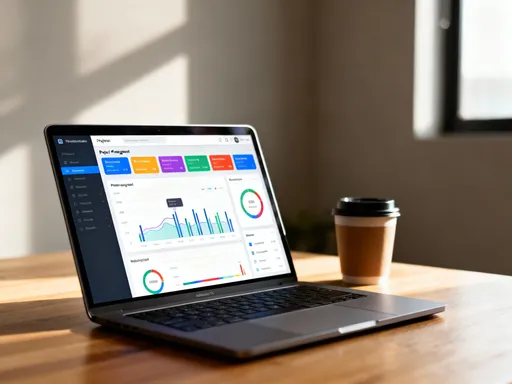
The tool that finally worked for me uses a visual board system—think of it like a digital corkboard where each task is a card. I created a board for each course I was taking. One for ‘Beginner Guitar,’ another for ‘Digital Marketing 101,’ and a third for ‘Mindful Living.’ Each week, I’d go through the syllabus and turn every lesson, assignment, and practice session into a card.
Each card had a due date, a checklist of smaller steps, and a color tag—green for low priority, yellow for medium, red for urgent. I could drag tasks between columns: ‘To Do,’ ‘In Progress,’ and ‘Done.’ Seeing that ‘Done’ pile grow gave me a quiet kind of joy. It wasn’t just about finishing—it was about *seeing* my progress. No more guessing if I’d completed everything. No more anxiety about falling behind.
The real magic happened when I connected it to my calendar. Every Sunday night, I’d plan my week. I’d look at my board, pick three to four tasks to focus on, and schedule them like appointments. ‘Study Module 4’ at 8:30 PM Tuesday. ‘Practice chords’ for 20 minutes after dinner Thursday. Because they were in my calendar, I treated them like real commitments—not optional extras.
And when life interrupted? No problem. If I had to skip a session, I’d just drag the card to the next day. No guilt, no reset needed. The system adapted to me, not the other way around. Within weeks, I was keeping up with my courses for the first time in years. Not because I had more time—but because I was using it better.
Building a Learning System: From Chaos to Consistent Gains
Once I found the right tool, I didn’t just use it—I built a routine around it. Every Sunday evening, after the house was quiet, I’d sit with my laptop and plan my learning week. I’d review the upcoming course material, break it into tasks, and assign them to specific days. I’d check my family calendar to avoid conflicts. This 30-minute ritual became my anchor. It helped me start the week with clarity instead of chaos.
Each morning, I’d open the app and see what was on my list. No decision fatigue. No wondering, ‘What should I study today?’ It was all there—clear, scheduled, doable. And because the tasks were small and specific, they didn’t feel overwhelming. ‘Watch 10-minute video on color theory.’ ‘Complete 5 flashcards.’ These weren’t huge asks. But done consistently, they added up.
What surprised me most was how much less mental energy I spent on learning. Before, I’d waste time trying to remember where I left off or what I was supposed to do next. Now, the system held that information for me. My brain was free to focus on actually absorbing the material. I wasn’t fighting my memory or my schedule. I was working *with* them.
And when I did miss a day? The board didn’t shame me. It just showed me what needed to be done. I could reschedule, reprioritize, or break a task into smaller steps. The flexibility removed the pressure. I wasn’t failing—I was adjusting. Over time, that mindset shift made all the difference. I stopped seeing myself as someone who ‘never finishes courses’ and started seeing myself as someone who learns in a way that fits my life.
Beyond Courses: Applying the System to Skill Mastery
Once this system worked for online courses, I started applying it to other areas of my life. I’ve always wanted to cook more creatively, so I created a ‘Kitchen Adventures’ board. I broke it down into weekly goals: ‘Try one new recipe,’ ‘Master knife skills,’ ‘Organize pantry.’ Each step became a task with a deadline. I even attached photos of dishes I wanted to recreate.
I did the same with playing guitar. Instead of saying, ‘I want to get better,’ I set a real goal: ‘Learn 10 songs in 6 months.’ I broke that into monthly milestones—two songs per month—and then into weekly practice tasks. ‘Learn intro to Song 3,’ ‘Practice chord changes for 15 minutes.’ Having a visual plan made it feel achievable. And when I checked off a song, it was incredibly satisfying.
I even used it for reading. I love books, but I’d often start one and never finish. Now, I create a ‘Reading Journey’ board. I pick five books a season and schedule reading sessions like appointments. ‘Read 20 pages of novel before bed Tuesday.’ ‘Finish Chapter 3 by Friday.’ It’s not about rushing—it’s about consistency. And because I can see my progress, I’m more motivated to keep going.
The beauty of this system is that it’s not limited to any one area. It works for any goal that involves steps, time, and effort. Whether it’s learning a skill, organizing a family project, or planning a personal challenge, the same principles apply. Break it down. Schedule it. Track it. Celebrate it.
Why This Matters: Learning That Fits Your Life, Not Fights It
Here’s what I’ve learned after all this trial and error: the right tool doesn’t ask you to change who you are. It helps you work with who you already are. I’m not a perfectionist. I don’t thrive on rigid schedules. I need flexibility, visual clarity, and a sense of progress. The tool I found supports all of that. It doesn’t demand more discipline—it makes discipline easier.
And that’s the real power of using project management for personal growth. It’s not about becoming someone who studies eight hours a day. It’s about becoming someone who learns steadily, joyfully, and sustainably. It’s about turning ‘I should’ into ‘I did.’ It’s about replacing guilt with pride, and overwhelm with peace.
I used to think finishing a course was the goal. Now I know the real win is how I feel along the way. Calmer. More in control. More connected to my own growth. I’m not just learning skills—I’m building confidence, one small step at a time. And that confidence spills over into everything: how I parent, how I manage my time, how I see myself.
If you’ve ever started a course with excitement and ended with regret, I want you to know: it’s not you. It’s the system. And you don’t have to figure it out alone. There are tools—real, simple, accessible tools—that can help you organize your learning in a way that fits your life. You don’t need more time. You don’t need more willpower. You just need a better way to manage what matters to you.
So go ahead. Pick one course. One goal. One step. Put it on a board. Give it a date. See what happens when you stop relying on motivation and start building a system. Because learning shouldn’t be a battle. It should be a journey—one you can actually enjoy, and one that brings you closer to the person you want to become.