Tired of Wasting Money on Wilted Greens? How I Learned to Master Fresh Produce Delivery
Ever opened your fridge to find soggy spinach and mushy strawberries—again? You’re not alone. I used to throw out more groceries than I ate, frustrated by produce that never lasted. But then I discovered how fresh produce delivery platforms could actually work *with* my life, not against it. No tech jargon, no hype—just real changes that saved me time, money, and stress. Let me show you how small shifts made a big difference.
The Fridge Fiasco: When Freshness Felt Like a Fantasy
It started with something small—a bag of kale I’d bought with the best intentions. I remember standing in front of the fridge on a Wednesday morning, holding the limp, slimy leaves, wondering how something so green could go bad in just four days. I tossed it into the compost, sighing. This wasn’t the first time. In fact, it was becoming a weekly ritual: buy fresh, forget about it, find it ruined, repeat. I wasn’t alone—studies show the average household throws away nearly a third of the food they buy, and produce tops the list. But knowing that didn’t make me feel any better.
What hurt more than the waste was the disappointment. I wanted to feed my family well—colorful salads, fresh fruit for snacks, roasted vegetables with dinner. But between school drop-offs, work meetings, and the endless to-do list, grocery shopping became a chore I dreaded. I’d either forget essentials or overbuy, trying to stock up for the week, only to end up with wilted greens and brown bananas. My kitchen felt like a battlefield between good intentions and real life.
The emotional toll was real. I felt guilty for wasting money—money we could’ve used for weekend outings or new school supplies. I felt frustrated that I couldn’t keep up, like I was failing at something simple. And honestly, I started to resent cooking. It wasn’t just about the food; it was about the constant cycle of effort and letdown. That moment with the kale was a turning point. I realized I wasn’t just fighting spoilage—I was fighting a system that didn’t fit my life. I needed a different way, not just a different grocery list.
First Clicks: Dipping a Toe into Online Produce Delivery
I’d seen the ads—bright photos of crisp apples, neatly packed boxes, promises of farm-fresh delivery to your door. But I was skeptical. Was this just another tech trend for people with more time and money than sense? I pictured bruised peaches and wilted herbs, arriving in a box while I scrambled to answer the door between Zoom calls. Still, I was tired of the same old routine, so I decided to try one of the more established platforms. I told myself it was an experiment, not a commitment.
Signing up was easier than I expected. No contracts, no pressure—just a few clicks to create an account. I browsed the produce section, surprised by how organized it felt. Categories like “Organic,” “Local,” and “Ready-to-Eat” made filtering simple. I added a bag of baby spinach, a pint of cherry tomatoes, a bunch of carrots, and a few apples—safe choices, nothing too adventurous. I hesitated before checking out, wondering if I should add more to justify the delivery fee. But I reminded myself: this wasn’t about filling a cart; it was about testing a new habit.
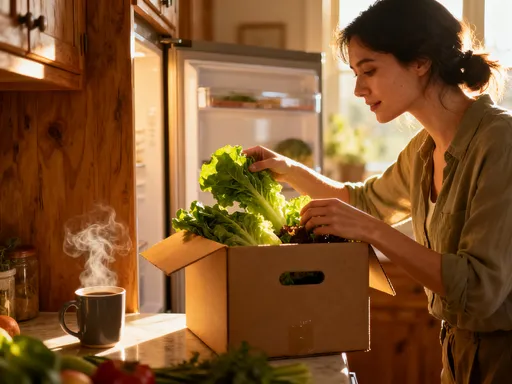
When the delivery notification popped up on my phone, I was mid-meeting. I rushed to the door, half-expecting disappointment. But there it was—a sturdy box, sealed and cool to the touch. Inside, the spinach was crisp, the tomatoes firm and bright red, the apples shiny and unbruised. I opened the bag of greens and took a deep breath—there was that fresh, earthy smell I hadn’t smelled in months. No dirt, no slimy spots, no mystery stains. It felt like a small miracle.
That first delivery didn’t solve everything. I still had questions: How consistent would this be? What if the next order was worse? But something shifted in me. For the first time in a long while, I felt hopeful. Maybe this wasn’t just a gimmick. Maybe it could actually work for someone like me—someone who wanted to eat well but didn’t have hours to shop and sort. That single box didn’t change my life, but it planted a seed.
Learning the Rhythm: Matching Delivery Schedules to Real Life
Of course, it wasn’t all smooth sailing. My second order? I went overboard. Inspired by the first success, I filled my cart with everything I *thought* we might eat: a whole pineapple, two heads of lettuce, fresh herbs, even a bag of mixed berries. I scheduled delivery for Thursday, forgetting I had a late meeting. The box sat on my porch for hours in the afternoon sun. By the time I brought it in, the berries were warm, and the herbs had started to wilt. Lesson learned: timing matters as much as the order itself.
That mistake taught me something important—delivery isn’t just about convenience; it’s about rhythm. Just like meal planning, it works best when it fits into the natural flow of your week. I started thinking about when I usually cooked, when the kids came home hungry, and when I had time to unpack and store things properly. I moved my delivery to early Friday mornings—right before the weekend, when I could do light prep and plan meals without rushing. It made a huge difference.
I also discovered the power of recurring orders. Instead of deciding from scratch every week, I set up a “Basics” list: staples like spinach, apples, bananas, carrots, and tomatoes. The platform let me customize it each time, but having a starting point saved mental energy. I synced the delivery day with my calendar, added a reminder, and even shared access with my partner so we could both adjust the list. It stopped feeling like a chore and started feeling like a system.
Over time, I got smarter about quantities. I realized we went through more apples than bananas, and that one head of lettuce was enough for two salads. I stopped trying to buy for “maybe” and started buying for “likely.” The result? Less waste, less stress, and more confidence that what I ordered would actually get eaten. The platform wasn’t just delivering food—it was helping me understand my own habits.
Quality Over Convenience: Developing a Buyer’s Eye
Not all delivery services are created equal. After a few weeks, I started noticing differences. One week, the tomatoes from my usual platform were mealy. Another time, the packaging was so excessive it felt wasteful. I began paying closer attention—not just to the produce, but to the details that mattered. Was the lettuce chilled when it arrived? Were the apples stem-on, a sign they were picked at peak ripeness? Did the box have insulation or cooling gel packs?
I also learned to read between the lines of marketing claims. “Locally grown” sounded great, but what did it really mean? I looked into which farms the platform partnered with and found that some were within 50 miles, while others were hundreds. That didn’t make one bad and the other good, but it helped me decide what *I* valued. For me, freshness and flavor mattered more than distance, but knowing the source gave me peace of mind.
I started experimenting with different platforms—just one order at a time—to compare. One used compostable packaging and delivered in electric vans. Another partnered directly with small farms and offered seasonal boxes. I wasn’t looking for perfection; I was looking for alignment. The platform that felt most reliable also happened to have a “freshness guarantee”—if something arrived damaged or spoiled, they’d refund or replace it. That kind of promise built trust.
What surprised me most was how much better I got at spotting quality. After a few months, I could tell just by looking at a photo online whether the produce was likely to be crisp or past its prime. I paid attention to customer reviews, not just ratings. One woman wrote, “The strawberries last twice as long as the store-bought ones”—that stuck with me. I realized I wasn’t just a buyer; I was becoming a savvy shopper, using technology to sharpen my instincts, not replace them.
Saving More Than Time: The Hidden Financial Perks
I’ll admit it—I thought delivery was a luxury. The idea of paying a fee for something I used to do for free felt indulgent. But after tracking my spending for a month, I was shocked. I had been spending more at the grocery store than I realized, mostly on impulse buys: a fancy cheese here, a bag of cookies there, a second bunch of bananas “just in case.” At home, I’d often buy duplicates because I forgot what I already had. The delivery platform changed that.
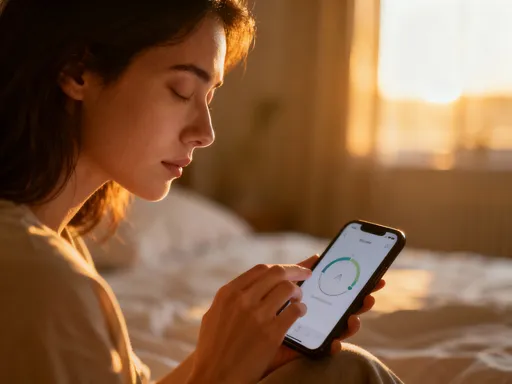
With a digital cart, I could see exactly what I was adding. No more wandering aisles. No more “Oh, I’ll just grab this too.” I started setting a budget in the app, and it stayed visible the whole time I shopped. If I went over, a gentle reminder popped up. It wasn’t shaming—just helpful. I began using filters like “under $3 per pound” or “weekly deal,” and I discovered affordable organic options I’d never noticed before.
But the biggest savings came from reduced waste. Before, I’d lose $15–$20 a week to spoiled produce. Now, with smaller, more intentional orders, that dropped to less than $5. I wasn’t buying “just in case” anymore. I was buying what we’d actually eat. Over a year, that added up to hundreds of dollars—enough for a family outing or a few nice dinners out. The delivery fee? It was more than covered by what I saved.
And there were other financial perks I hadn’t expected. Some platforms offered loyalty points or discounts for referrals. Others had “ugly produce” sections—perfectly good fruits and vegetables sold at a discount because they weren’t picture-perfect. I started adding those to my order. My kids didn’t care if a carrot was crooked; they just cared that it was crunchy and sweet. These small choices didn’t feel like sacrifices. They felt like smart wins.
Sharing the Load: How Delivery Brought Calm to Family Meals
The real transformation didn’t happen in my kitchen—it happened in our routines. Before, grocery shopping was my responsibility, and meal planning felt like my job. I’d come home with bags of food, only to hear, “What’s for dinner?” as if I hadn’t just spent an hour in the store. There was tension, especially on busy nights. Now, with delivery, the responsibility feels lighter—and more shared.
I started involving my family in the process. On Sunday evenings, we’d sit together and look at the app. “What do you want this week?” I’d ask. My daughter would pick strawberries and cucumbers. My son would add apples and baby carrots. My partner would suggest avocados and bell peppers. It became a little ritual—a chance to connect and plan, not just eat. They felt heard, and I felt supported.
With fresh produce arriving reliably, meal prep became less stressful. I could chop vegetables ahead of time, knowing they’d stay crisp. Snacks were ready when the kids got home from school. I stopped scrambling to throw something together at 6 p.m. There was more variety, more color on the plate, and fewer “I don’t like this” moments because they’d helped choose it.
Even my partner got involved. He started grabbing ingredients for simple dishes—scrambled eggs with spinach, stir-fries with whatever was on hand. The kitchen felt more like a team effort. We weren’t just feeding ourselves; we were building habits. And when we sat down to eat, there was less stress and more joy. That, more than anything, was worth the change.
From Survival to Strategy: Building a Sustainable Routine
It’s been over a year now, and fresh produce delivery isn’t a novelty—it’s part of how we live. I don’t think about it as a tech solution or a trend. It’s just what we do, like brushing our teeth or making the bed. The platform has become a quiet partner in our well-being, helping us eat better, waste less, and feel more in control.
I’ve stopped aiming for perfection. Some weeks, I still order too much. Some deliveries have a less-than-perfect avocado. But those moments don’t derail me. I’ve learned to adjust, to swap a recipe, to freeze extra berries for smoothies. The system is flexible, just like life. And because it’s consistent, I feel more confident making healthy choices, even on chaotic days.
What I’ve gained isn’t just time or money—it’s peace of mind. I’m not constantly worried about what’s rotting in the fridge. I’m not stressed about last-minute shopping. I’ve reclaimed hours I didn’t know I had, and I’ve used them for things that matter—reading, walking, talking with my family. The technology didn’t change me; it supported the person I wanted to be.
Looking back, this journey wasn’t about convenience. It was about intention. It was about choosing tools that align with my values—health, family, simplicity—and letting them carry some of the weight. I’m not a tech expert, and I don’t care about the latest gadgets. But I care about living well. And sometimes, the smallest tech can make the biggest difference.
Small Tech, Big Life
When I first stood in front of that fridge, holding wilted kale, I thought the problem was the grocery store. Or my memory. Or bad luck. But it wasn’t. The problem was the system—trying to fit a modern life into an outdated routine. Fresh produce delivery didn’t just bring food to my door. It brought clarity. It helped me see my habits, adjust my choices, and build a rhythm that works.
This isn’t about replacing human effort with technology. It’s about using smart tools to support real life. It’s about feeding your family with less stress, wasting less, and feeling proud of the choices you make. It’s about knowing that small, consistent steps—like choosing the right delivery day or setting a budget—can add up to big change.
If you’re tired of throwing out food, feeling guilty, or rushing to the store at 8 p.m., I get it. I’ve been there. But there’s another way. It might start with a single box of crisp lettuce. It might grow into a new rhythm for your home. And it might, just might, help you feel a little more in control—of your kitchen, your time, and your life. Because that’s what good technology should do: not dazzle, but deliver. Quietly, reliably, and with care.