I kept saying ‘I’ll just text instead’—this voice app finally made talking feel easy again
We’ve all been there—staring at a message thread, overthinking every word, when a simple conversation would’ve taken half the stress. I used to avoid voice calls, convinced they were awkward or too demanding. But what if the right tool could turn that anxiety into ease? Not with flashy features, but by fitting quietly into daily life, helping me connect more clearly, confidently, and meaningfully—without the pressure. It wasn’t until I stopped resisting and gave voice a second chance that I realized how much I’d been missing. The warmth. The clarity. The realness. And it wasn’t about going back to old habits—it was about finding a new way to talk that actually works for my life today.
The Silent Shift: How We Stopped Talking Without Realizing It
Remember when a phone call was just... normal? You’d pick up, say hello, and the conversation would unfold. No planning, no editing, just presence. Somewhere along the way, that became the exception, not the rule. I didn’t even notice the shift until I realized I hadn’t had a proper voice chat with my sister in weeks—just a string of texts about school pickups, grocery lists, and birthday plans. It felt efficient, sure. But also kind of hollow.
And I’m not alone. So many of us—especially those of us juggling family, work, and everything in between—have quietly retreated from real-time talking. We default to text because it’s safe, controlled, and fits into the cracks of our day. But that convenience comes at a cost. We’re losing the rhythm of real conversation, the kind where you hear a pause and know something’s off, or catch a laugh and instantly feel closer.
Think about it: when was the last time you called your mom just to check in, without needing to ask about prescriptions or appointments? Or when did you last talk to your partner about how your day really felt, instead of just texting “fine” while scrolling through emails? The silence isn’t malicious—it’s just convenient. But convenience doesn’t always equal connection. And the more we rely on words on a screen, the more we miss the subtle, powerful things that only voice can carry.
I used to think I was protecting myself by avoiding calls. Less chance of interruption, less pressure to perform, no awkward silences. But what I was really doing was building walls—thin, invisible ones—between me and the people I love. Text lets us curate. Voice asks us to show up. And that, I’ve learned, is exactly why it matters.
Why Voice Matters: The Hidden Warmth Behind the Words
There’s something about hearing someone’s voice that no emoji can replace. It’s in the way your daughter says “Mama” when she’s tired, the little wobble in her voice that tells you she’s on the verge of tears—even if she says she’s fine. It’s in your best friend’s laugh when she tells a story you’ve heard a hundred times, but this time it lands differently because of how she says it. These aren’t just sounds. They’re emotional signals. Clues. Comfort.
Science backs this up, quietly and consistently. Our brains are wired to read vocal cues—tone, pace, pitch, pauses—as emotional data. A text saying “I’m okay” can mean anything. But when you hear that same phrase spoken—flat, slow, with a slight hesitation—you know. You just know. That’s not cold data. That’s human connection in its most natural form.
And for those of us who care for others—whether it’s aging parents, young children, or friends going through tough times—this kind of emotional clarity isn’t just nice to have. It’s essential. I remember calling my dad after his surgery. He texted me “All good!” but when I finally got him on the phone, I heard the strain in his voice, the way he paused between sentences. That wasn’t “all good.” That was “I’m trying to be strong.” And because I heard it, I could respond with care, not assumptions.
There’s also something deeply grounding about being heard. When someone listens to your voice, really listens, it creates a sense of being seen. Not curated. Not filtered. Just you. And in a world where we’re constantly performing—on screens, in roles, in responsibilities—that kind of authenticity is rare. It’s healing. It’s grounding. It’s the kind of connection that doesn’t just pass the time—it sustains us.
So yes, texting is fast. It’s practical. But voice? Voice is presence. And presence—that quiet, unspoken “I’m here with you”—is one of the most powerful gifts we can give.
The Problem with Old-School Calling: What’s Really Holding Us Back
Let’s be honest: traditional phone calls can feel like a performance. You have to be ready. Available. Present. And for someone like me—who’s often in the middle of packing lunches, answering work emails, or trying to remember if I paid the electric bill—the idea of a live call can feel overwhelming. It’s not that I don’t want to talk. It’s that I don’t want to talk right now, on someone else’s terms.
And that’s the real issue. It’s not voice we’re avoiding. It’s the rigidity of the format. The “pick up or miss it” pressure. The fear of interrupting, or being interrupted. I used to dread calling my sister because I knew she’d want to talk for 45 minutes, and I’d be stuck on the phone while my kids argued in the background. Or I’d miss a call from my mom, listen to the voicemail five times trying to decode her tone, and then put off calling back because I didn’t want to have “the talk” in one go.
Then there’s the awkwardness. You call, and there’s that moment of “Oh! I wasn’t expecting this!”—like you’ve caught someone off guard. Or worse, you get the “Can I call you back?” that never happens. I’ve lost count of how many conversations died in that limbo. And let’s not even talk about voicemails. Recording one feels like giving a speech. Listening to one? Often muffled, rushed, or cut off by bad connection.
The truth is, we’ve associated voice calls with stress because the tools haven’t evolved with our lives. We’re still using a system built for landlines and empty afternoons. But our lives aren’t like that anymore. We’re busy. We’re distracted. We’re multitasking. And expecting us to drop everything for a 20-minute call feels, frankly, unrealistic.
So we retreat to text. It’s safer. We can respond when we’re ready. We can think before we speak. But in doing so, we lose something vital—the warmth, the nuance, the realness of voice. The good news? The tools are finally catching up. And they’re not asking us to go back to the way things were. They’re offering us a new way to talk—one that fits.
A New Way to Talk: How Modern Voice Tools Fit Into Real Life
I’ll admit it: I was skeptical when a friend suggested I try a voice messaging app. “Another app?” I thought. “Great, just what I need.” But she insisted it wasn’t about adding more tech—it was about making communication easier. And honestly, I was tired of the text fatigue. The misread messages. The conversations that dragged on for days over tiny things. So I gave it a try.
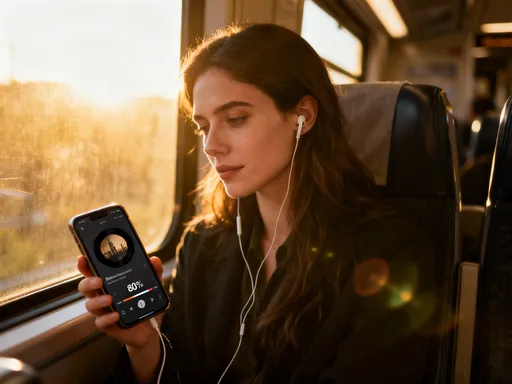
What surprised me wasn’t the technology—it was how natural it felt. Instead of calling my sister and waiting for her to pick up, I could record a quick voice message while stirring dinner. “Hey, just wanted to tell you about the school play—Lily was amazing!” I sent it. No pressure. No expectation that she’d reply right away. And when she did—later that night, in her own time—she sent a voice message back, laughing about how nervous she was watching from the audience. It felt like a real conversation, just not in real time.
That’s the magic of modern voice tools: they give you the warmth of voice without the pressure of live calls. You can speak when you’re ready. Listen when it works for you. And the best part? You don’t lose the tone, the emotion, the little inflections that make a message feel human. A text saying “Good job” is nice. But hearing your mom say “Oh, honey, I’m so proud of you” in her warm, slightly shaky voice? That lands differently. It stays with you.
These tools also understand real life. Some let you pause and resume recordings, so you’re not stuck starting over because the dog barked. Others let you send voice messages in group chats, so family updates feel more personal than a group text. And many now include features like automatic transcription, so you can read along if you’re in a noisy place—or just want to make sure you caught every detail.
For me, the biggest shift was in how I communicate with my parents. Instead of short, formal calls that felt like check-ins, we now exchange voice messages throughout the week. I’ll send one after yoga, telling them about my day. My dad sends one in the morning, talking about the garden. It’s not constant. It’s not demanding. But it’s consistent. And it’s full of the little things—his pride in the tomatoes, my laughter about a student’s funny comment—that used to get lost in texts.
This isn’t about replacing text. It’s about choosing the right tool for the moment. Need to confirm a pickup time? Text is perfect. Want to share a heartfelt moment? Voice. The flexibility means I’m no longer avoiding conversations—I’m inviting them, in a way that fits my rhythm.
Making It Work: Simple Ways to Start Talking Again (Without the Stress)
If you’re curious but hesitant, I get it. Starting something new can feel like one more thing on the list. But rebuilding your voice habit doesn’t have to be a big overhaul. It can start small—really small. Think of it like adding a new habit to your routine, not overhauling your entire life.
One of the easiest ways to begin is by pairing voice messages with something you already do. For example, when I’m walking the dog, I’ll send a quick voice note to a friend instead of texting. “Hey, just thinking of you—hope your meeting went well!” It takes the same time as typing, but feels more personal. Or in the morning, while I’m making coffee, I’ll record a short update for my sister: “Just got the kids off to school—Lily forgot her lunch again, ha!” It’s not profound. But it’s real. And it keeps us connected in a way that feels light, not heavy.
Another trick? Use voice to transition out of your day. Instead of scrolling before bed, try sending a voice message to your partner or a close friend. “Just wanted to say I loved that dinner we had last night.” Or “Today was tough, but I’m proud of how I handled it.” These aren’t long monologues. They’re tiny moments of presence. And they add up.
If you’re worried about sounding awkward, remember: no one expects perfection. In fact, the little imperfections—your laugh, your sigh, the way you say “um” sometimes—are what make it feel human. One of my favorite things about voice messages is that they don’t have to be polished. You can say, “Hey, just stepping into a meeting—can I send you a voice note later?” and it’s totally fine. The other person isn’t waiting. They’ll listen when they’re ready.
And if you’re nervous about trying it with family, start with someone safe—your sibling, a cousin, a friend who’s also open to new ways of connecting. You might even say, “I’m trying something new—hope it’s okay if I send you a voice message instead of texting sometimes.” Most people respond with curiosity, not judgment. And once they hear your voice—really hear it—they often feel closer, not more distant.
The key is to make it effortless. Don’t force long messages. Don’t worry about background noise. Just speak like you would if they were sitting across from you. Over time, it becomes second nature. And you might find, like I did, that you start looking forward to those little voice exchanges—the way they make you feel seen, heard, and connected.
When It Clicks: The Unexpected Benefits of Reconnecting by Voice
There was a moment, a few months in, when it all clicked for me. I’d sent my mom a voice message about a small victory at work—nothing huge, just a project that had gone smoothly. I didn’t expect much. But later, she called—not a message, an actual call. And she said, “Hearing your voice today… it just made me feel so close to you. Like I was right there.”
That’s when I realized this wasn’t just about convenience. It was about emotional closeness. It was about giving people the gift of your real voice—the one that laughs, stumbles, breathes, and feels. And in return, receiving theirs.
Since making voice a regular part of my life, I’ve noticed fewer misunderstandings. No more “Wait, did you mean that sarcastically?” or “I thought you were upset with me.” When you hear someone’s tone, intention is clearer. And that means less mental energy spent decoding texts and more peace of mind.
I’ve also noticed a shift in my own confidence. Speaking up—literally—has made me feel more present in my relationships. I’m not hiding behind carefully crafted messages. I’m showing up as I am. And that authenticity has deepened my connections in ways I didn’t expect.
There’s also a quiet joy in being heard. Not responded to. Not acknowledged. Heard. When my daughter listens to my bedtime voice messages when I’m away, she says, “It’s like you’re here.” That’s powerful. It’s not about replacing presence. It’s about extending it.
And for those of us who care deeply about family, about keeping bonds strong across miles or busy schedules, voice offers a bridge. It’s not perfect. But it’s human. And sometimes, that’s exactly what we need.
Your Voice, Your Way: Building a Communication Style That Feels Like You
Here’s what I’ve learned: better communication isn’t about doing more. It’s about doing what feels right. You don’t have to call every day. You don’t have to send long voice messages. You don’t have to give up texting—it still has its place. This isn’t about rules. It’s about choice. And the more choices we have, the more we can communicate in ways that honor both our time and our relationships.
The best tools don’t control your life. They support it. They make the things that matter—connection, clarity, care—easier to express. And when technology serves us like that, it stops feeling like noise and starts feeling like help.
So if you’ve been saying, “I’ll just text instead,” I get it. I was there. But I also wonder—what might change if you gave voice another chance? Not the old way. Not the high-pressure calls of the past. But a new way. A gentler way. A way that lets you speak when you’re ready, be heard without performance, and connect without stress.
Your voice is powerful. It carries your history, your care, your humor, your heart. And sharing it—on your terms—can be one of the most meaningful things you do all day. You don’t need to be perfect. You just need to be you. And sometimes, the most human thing we can do is simply speak up.