Tired of Starting Podcasts You Never Finish? This App Feature Keeps Me on Track Every Time
You know that feeling when you start a podcast with the best intentions, only to lose focus halfway through—and never pick it back up? I used to miss entire episodes, forget key takeaways, and feel guilty about wasting time. But everything changed when I discovered a simple built-in tool that turned passive listening into real progress. It’s not about willpower; it’s about working smarter. Now I finish shows consistently, retain more, and even reach personal goals—like learning Spanish or staying calm during commutes. Let me show you how this small feature makes a big difference in everyday life.
The Hidden Struggle Behind Our Earbuds
Let’s be honest—how many times have you pressed play on a podcast episode thinking, This one’s going to be different, only to zone out five minutes in while folding laundry or stuck in traffic? You’re not alone. So many of us turn to podcasts hoping to grow, learn something new, or just find a moment of peace in our busy days. We download episodes on mindfulness, parenting tips, financial wellness, or even language learning, full of motivation. But then life happens. The kids call out from the next room, your phone buzzes with a text, or your mind starts wandering to tomorrow’s to-do list. Before you know it, you’ve missed half the episode—and you never go back.
It’s not that we don’t care. In fact, it’s the opposite. We care deeply about being better moms, more organized planners, calmer partners, and lifelong learners. That’s why the guilt creeps in. You wanted to listen to that episode on stress management before your big meeting, but you got distracted and now you’re winging it. You downloaded a series on cooking healthy meals for picky eaters, but only made it through the intro. The content was good. The intention was strong. But somewhere between the kitchen and the carpool line, consistency fell apart.
And here’s the thing—this isn’t really about focus. It’s about structure. Most of us treat podcast listening like background noise, something we do while multitasking. But when we do that, we miss the full value. We’re not absorbing the lessons, remembering the tips, or feeling the emotional resonance of a powerful story. Over time, it starts to feel like another broken habit. Another goal left behind. Another thing we meant to do but didn’t. The real struggle isn’t in finding good content—it’s in creating a system that helps us actually finish what we start.
A Feature I Almost Missed—And Why It Changed Everything
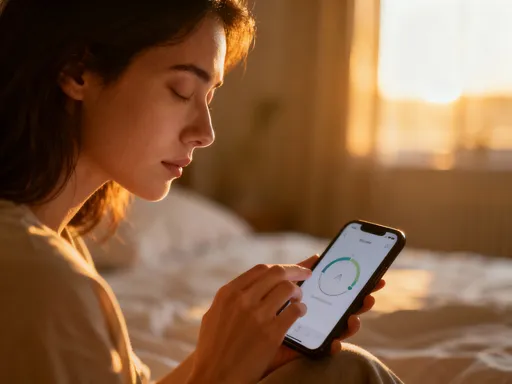
I’ll never forget the day I accidentally tapped on a little badge in my podcast app that said “3-Day Streak.” I had no idea it was even tracking that. I thought it was just a player—something to press play and pause. But there it was: a tiny progress bar, a number counting how many days in a row I’d listened to at least one episode, and a cheerful notification that said, “Keep it going!” I rolled my eyes at first—this felt like gamification for something as simple as listening. But then something unexpected happened. The next day, I didn’t skip my episode. I made sure to hit play, even if it was just for ten minutes before bed. Why? Because I didn’t want to break the streak.
That small visual cue did more than remind me to listen—it made me care about listening. It turned a passive habit into something active, something I was building. And the best part? It didn’t require any extra effort. I wasn’t downloading a new app, signing up for a course, or changing my entire routine. I just turned on a feature that was already there, set a gentle weekly goal (like “Listen to 3 episodes this week”), and allowed the app to send me a soft nudge if I fell behind. No pressure. No guilt. Just a friendly “Hey, you’ve got this” kind of vibe.
Within a week, I noticed a shift. I was more present during episodes. I remembered details. I even started pausing to jot down ideas or look up links mentioned in the show. And when I completed a full episode, I felt a quiet sense of pride—like I’d actually done something meaningful with my time. That streak counter became a mirror of my consistency. It wasn’t about being perfect. It was about showing up. And that made all the difference.
How Tiny Tools Build Big Habits
What surprised me most was how such a small feature could create such a big change. But when I looked into it, I realized there’s real psychology behind it. Our brains love completion. There’s a concept called the Zeigarnik Effect—basically, unfinished tasks stick in our minds more than completed ones. That’s why it’s so hard to stop in the middle of a podcast. Your brain remembers you didn’t finish, and it nags at you—until you either go back or give up completely. But when you have a progress tracker, it gives you a sense of forward motion. Seeing “Episode 2 of 5” or “Day 4 of your listening streak” creates a natural pull to finish what you started.
It’s the same reason we feel satisfaction when we check off a to-do list item or fill in a habit tracker in a planner. Our brains are wired to respond to small wins. And when technology supports that, it becomes a quiet partner in our growth. I started noticing how other people were using similar tools in their lives—friends who tracked water intake, step counts, or meditation minutes. These aren’t about obsession with numbers. They’re about creating gentle accountability. They help us stay connected to our intentions, especially when life gets noisy.
Take my neighbor, Maria. She’s a mom of three and works part-time. She told me she used to download parenting podcasts but rarely finished them. Then she turned on the goal tracker and linked it to her morning coffee ritual. Now, every time she makes her cup, she opens the app and listens to one episode while the kids eat breakfast. She’s on a 21-day streak and recently told me, “I don’t even think about it anymore. It’s just part of my day.” That’s the power of micro-commitments. You’re not promising to transform your life overnight. You’re just saying, “I’ll show up today.” And over time, those days add up.
Turning Passive Listening Into Active Growth
Here’s where it gets really exciting: once I started finishing episodes, I began using podcasts more intentionally. Instead of just hitting shuffle and hoping for the best, I started planning my listening like I plan my meals or workouts. I picked a six-part series on mindful parenting and set a goal to finish it before my son’s school project deadline. I chose a financial wellness podcast and committed to listening before our family budget meeting. Suddenly, my earbuds weren’t just for entertainment—they were part of my personal development toolkit.
I remember one conversation with my sister-in-law, Jen. She was stressed about an upcoming work presentation and had downloaded a podcast on public speaking. “I keep starting it,” she said, “but I never finish.” I showed her how to set a listening goal and pair it with her commute. A week later, she texted me: “I finished the whole series! And guess what? I used one of the tips during my talk—and my boss noticed.” That moment hit me. This isn’t just about listening. It’s about growing. It’s about using the time we already have—driving, cooking, folding clothes—to become more confident, more informed, more capable.
Technology, at its best, should feel like a quiet coach—not a loud, demanding instructor. It shouldn’t add stress or complexity. It should support us in ways that feel natural. And that’s exactly what this feature does. It doesn’t tell you what to listen to. It doesn’t judge your choices. It just helps you follow through. Whether you’re learning to knit, manage anxiety, or plan a family vacation, finishing a podcast series gives you a sense of accomplishment that spills over into other areas of life.
Making It Work for Your Life—Not Against It
Now, I know what some of you might be thinking: “This sounds great, but I’m not tech-savvy. I don’t want to spend hours setting things up.” I totally get that. That’s why I love that this feature is already built into most popular podcast apps—like Apple Podcasts, Spotify, and Google Podcasts. You don’t need to download anything extra. You don’t need to create an account or learn a new interface. It’s already on your phone, waiting for you to turn it on.
Here’s how to find it: open your podcast app, go to your profile or settings, and look for something like “Listening Goals,” “Streaks,” or “Progress Tracking.” It might be under “Notifications” or “App Features.” Once you find it, you can set a simple goal—like “Listen to 3 episodes this week” or “Stay consistent for 5 days in a row.” Then, choose a gentle reminder—maybe a soft chime in the evening if you haven’t listened yet. The key is to keep it light. This isn’t about pressure. It’s about support.
You can also pair your listening with routines you already have. For example, listen during your morning walk, while prepping dinner, or as a wind-down before bed. I like to download episodes in advance so I don’t lose connection during my commute. And if I’m having a busy week, I adjust my goal—maybe aiming for two episodes instead of three. Flexibility is part of the process. The goal isn’t perfection. It’s progress. And the more you align your listening with your real life, the more natural it feels.
The Ripple Effect of Small Wins
What’s amazed me most is how finishing podcasts has started to influence other parts of my life. Because I see myself following through—day after day, episode after episode—I’ve started to believe I can do the same in other areas. I signed up for an online cooking class and actually completed all the modules. I started journaling three times a week. I even began a small garden with my daughter, tracking our plant growth like we were on a little adventure. These weren’t huge changes, but they added up.
I’ve heard similar stories from other women. One friend told me she finished a mental wellness podcast series and then started a gratitude practice. Another said she listened to a podcast on time management and finally organized her home office—something she’d been putting off for months. A dad in my neighborhood shared that after listening to a science podcast with his kids, they started having “fun fact” discussions at dinner. These aren’t grand transformations. They’re quiet shifts—small wins that build confidence and create momentum.
And that’s the real magic of this tool. It’s not just about podcasts. It’s about proving to yourself that you can follow through. That you can show up for the things that matter to you, even in small ways. Every time you see that streak number go up or hit “Goal Completed,” you’re reinforcing a belief: I am someone who finishes what I start. And once you believe that, it becomes easier to apply it everywhere—whether you’re learning a new skill, taking care of yourself, or supporting your family.
Why Simplicity Wins in a Noisy World
In a world full of flashy apps, constant notifications, and endless content, it’s easy to feel overwhelmed. We’re told we need the latest gadget, the most advanced tool, or the most intense program to make progress. But sometimes, the most powerful changes come from the simplest things. A progress bar. A gentle reminder. A number that counts your days. These aren’t flashy. They don’t require a learning curve. But they work—because they understand us. They work with our emotions, our routines, and our desire to grow—without adding stress.
The beauty of this podcast feature is that it doesn’t demand your attention. It doesn’t scream for you to engage. It just sits there, quietly encouraging you to keep going. It meets you where you are—on a tired morning, during a long drive, in the quiet moments between responsibilities. And in those moments, it offers something precious: a sense of progress, even when life feels chaotic.
You don’t need more time. You don’t need more willpower. You just need the right nudge—one that’s already in the app you use every day. So the next time you press play, take a second to turn on that goal tracker. Set a small target. Let the app cheer you on. And watch how those tiny moments of consistency start to add up to something meaningful. Because you deserve to feel proud of what you finish—not just what you start.