Tired of the return counter chaos? This tool made my shopping life calm and smart
We’ve all been there—standing in line with a bag of unworn clothes, receipt in hand, only to be told the policy changed. The stress, the time lost, the guilt of overspending. I used to dread returns like dentist appointments. But last year, something shifted. A simple app feature turned my messy post-shopping regret into a smooth, even empowering, routine. It didn’t just fix returns—it reshaped how I shop, budget, and trust myself with choices. What felt like a small digital tweak became a quiet revolution in my everyday life, one receipt at a time.
The Hidden Stress of Returns: More Than Just a Receipt
Let’s talk about something we rarely admit: returning things is emotionally exhausting. It’s not just about walking back to the store with that sweater you never wore or the blender that looked perfect online. It’s the voice in your head saying, “Why did I buy this again?” It’s the clock ticking, the store policy buried in fine print, and the sinking feeling that you’ve wasted money—again. I used to carry that weight for days, sometimes weeks, letting guilt pile up like unworn clothes in the closet.
I remember one rainy Tuesday, standing outside a department store with three shopping bags, checking my phone to confirm the return window. The app said seven days. I had eight. One day over. The cashier shook her head. “Sorry, ma’am, we can’t accept it.” I walked away with those bags, defeated. It wasn’t just about the $80 dress I couldn’t return. It was about the time, the energy, the hope that this purchase would “fix” something—make me feel more put together, more like the version of myself I’m always trying to become.
And I know I’m not alone. So many of us shop not just for clothes or gadgets, but for confidence, comfort, or a sense of control. When a purchase doesn’t work out, it doesn’t just sit in the closet—it sits in our minds. We start questioning our judgment. Did I overspend? Was I impulsive? Am I bad with money? These quiet moments of self-doubt add up. Returns aren’t just logistical headaches—they’re emotional ones. They chip away at our sense of calm, our confidence, and even our relationships when money becomes a source of tension at home.
What if we could change that? What if returning something didn’t feel like failure, but part of a smarter, more intentional way of living? That’s exactly what happened when I discovered a simple feature in an app I already used every day.
Meet the App That Sees Shopping Differently
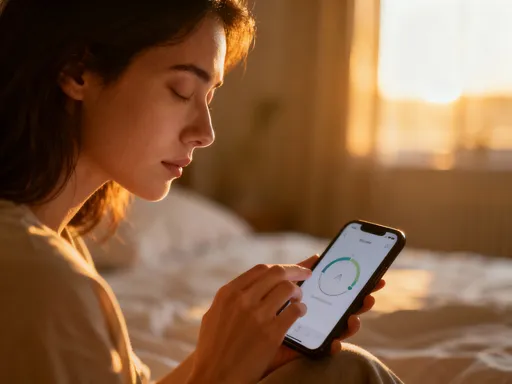
I wasn’t looking for a tech solution. I was just trying to keep track of my receipts. Like many of us, I used my digital wallet—Apple Wallet, to be specific—for boarding passes, loyalty cards, and event tickets. But I hadn’t realized it could do something quietly brilliant: automatically save and organize my purchase history from linked credit cards and online stores. And more importantly, it started showing me return deadlines—right on my phone’s home screen.
At first, I thought it was a glitch. There it was, a little reminder: “Return window for your online order closes in 3 days.” I clicked it, and up popped the original receipt, the store’s return policy, and even a link to print a return label. No digging through emails. No guessing. No anxiety. Just clarity.
This wasn’t magic. It was smart design. The app wasn’t trying to be flashy or futuristic. It was simply paying attention to what real people need: peace of mind. It didn’t replace my judgment—it supported it. Instead of feeling like I had to remember everything, I could trust the app to hold the details. It was like having a calm, organized friend whispering, “You’ve got this. Just check here.”
What surprised me most was how quickly my mindset shifted. Before, I’d buy something and immediately worry: “Can I return this? What’s the deadline?” Now, I buy with confidence, knowing I have a safety net. The app doesn’t encourage reckless shopping—it does the opposite. It creates space to breathe, to try something, and to make a thoughtful decision later. It turns shopping from a gamble into a conversation with myself: “Did this work? If not, it’s okay. I can return it—easily.”
And the best part? I didn’t have to learn anything new. No downloads, no passwords, no complicated setup. It was already there, waiting for me to notice it. That’s the kind of technology I love—quiet, helpful, and woven into the fabric of daily life.
From Panic to Plan: How Tracking Changed My Habits
The real change didn’t happen at the return counter. It happened in the moments before I bought anything. I started pausing. Not because I was scared, but because I felt in control. I’d look at a pair of boots online, add them to my cart, and then stop. “Do I really need these? Will I wear them more than three times?” And if the answer wasn’t a clear yes, I’d close the tab.
That doesn’t mean I never make impulse buys. Last month, I bought a bright blue scarf on a whim. But here’s the difference: I bought it knowing I had 14 days to decide. The app tracked it automatically. Two weeks later, I realized I hadn’t worn it. No drama. I opened the app, tapped “Return,” printed the label, and dropped it in the mailbox. Done. No guilt. No hassle. Just a gentle course correction.
Over time, those small moments added up. I started seeing patterns. I was buying more tops than bottoms. I loved online shopping but often forgot to check size charts. The app didn’t judge me—it just showed me the data. And that awareness made me a smarter shopper. I began setting personal rules: “If I don’t love it in the first week, it goes back.” “If it doesn’t fit perfectly, it’s not worth keeping.”
My budget started to reflect those changes. I wasn’t just saving money on returns—I was spending less overall. I stopped buying things “just in case” or “to try.” I bought with purpose. And that shift didn’t come from willpower. It came from having a tool that made the right choice the easy choice. I wasn’t fighting myself anymore. I was working with a system that supported my goals.
There’s a quiet pride that comes with that. Not because I’m perfect—but because I’m learning. Every return isn’t a failure. It’s feedback. And every purchase I keep feels more intentional, more like a choice I truly stand behind.
Teaching Kids the Value of Choices (Without the Lecture)
One of the most unexpected benefits? My 16-year-old daughter started asking me about return policies. Not because I nagged her—but because she saw me using the app. She watched me return a pair of jeans that didn’t fit, calmly and without stress. “Mom, how did you know you could do that?” she asked. I showed her the reminder on my phone. “It just tells me,” I said. “No guessing.”
A few weeks later, she bought a dress online for a school event. The day before the dance, she came to me, a little worried. “I think it’s too tight. Can I return it?” I didn’t scold her. I didn’t say, “I told you to check the size.” I just said, “Let’s check the app.” We opened it together, found the order, and saw the return window closed in two days. She made the exchange that afternoon.
That moment mattered. It wasn’t about the dress. It was about learning to make decisions with support, not shame. She didn’t feel punished for a mistake. She felt empowered to fix it. And she learned something deeper: that it’s okay to change your mind. That planning ahead doesn’t mean you’re boring—it means you’re thoughtful.
Even my husband started paying attention. He used to buy gadgets on sale “just because.” Now he asks, “Can we return this if it doesn’t work out?” He’s not perfect—he still bought a coffee grinder we probably don’t need—but now he checks the return policy first. That small question has sparked bigger conversations about spending, needs vs. wants, and how we want to feel about money in our home.
Technology didn’t replace our values. It gave us a way to live them. We’re not stricter or more rigid. We’re more aware. More connected. And that, to me, is what good tech should do—it should help families grow, not just keep receipts.
The Ripple Effect: Confidence, Clarity, and Calmer Mornings
The changes didn’t stop at shopping. I started noticing other areas of my life feeling lighter. My closet was less cluttered. My mind was less crowded. I wasn’t waking up with that low hum of financial anxiety. I slept better. I had more energy for work, for my kids, for myself.
I realized how much mental space I used to give to unreturned items. That blouse in the corner of the closet? It wasn’t just fabric. It was a reminder of a rushed decision, a missed opportunity to say no. Now, when something doesn’t work, I return it quickly. It’s not a big deal. It’s just part of the process. And that small act of clearing space—physically and emotionally—has had a surprisingly large impact.
I’ve also noticed fewer money-related arguments at home. When we both feel in control, there’s less tension. We’re not hiding purchases or feeling guilty. We’re communicating. We’re making decisions together, even when we’re shopping separately. That sense of partnership has strengthened our relationship in ways I didn’t expect.
And perhaps most importantly, I feel more confident in my choices. Not because I’m making perfect decisions, but because I know I have a system to learn from the imperfect ones. I’m not afraid of mistakes. I’m curious about them. What did this purchase teach me? What do I really need? How can I do better next time?
That shift—from fear to curiosity—has changed how I see myself. I’m not just a shopper. I’m a manager of my home, my time, my peace. And that sense of agency spills into everything: how I plan meals, how I schedule my week, how I show up for the people I love. Small tools, it turns out, can support big growth.
How to Start—No Tech Expertise Needed
If you’re thinking, “This sounds great, but I’m not tech-savvy,” I hear you. I felt the same way. But here’s the truth: you don’t need to be. This isn’t about downloading a new app or learning a complex system. It’s about using what you already have—your smartphone, your digital wallet, your email—in a smarter way.
Start by checking if your digital wallet (like Apple Wallet or Google Pay) automatically saves your purchases. Link your most-used credit or debit card. Then, shop as you normally do—online or in-store. After a few purchases, check your wallet app. You might be surprised to see receipts appearing there. Tap one. See if it shows the return deadline. If it does, you’re already halfway there.
If not, try using a shopping email folder. Create a label in your inbox called “Purchases” or “Returns.” Every time you buy something, forward the confirmation email there. Set a weekly reminder to review it. Just 10 minutes a week can help you catch expiring return windows.
You can also use your phone’s calendar. After an online order, open your calendar and type: “Return window ends” and add the date. Set a reminder for two days before. It takes less than a minute. No special tools. No learning curve.
The key is to start small. Pick one store, one type of purchase—maybe your online clothing orders. Try tracking just those for a month. Celebrate when you return something easily. Notice how it feels to close that loop. Don’t aim for perfection. Aim for progress. Every small win builds confidence. And confidence builds momentum.
More Than an App—A Tool for Growing Up Gracefully
This journey wasn’t about technology. It was about reclaiming peace. It was about giving myself permission to make mistakes, to change my mind, to grow. The app didn’t make me smarter. It gave me space to be smarter. It didn’t fix my habits—it helped me see them clearly, so I could adjust them with kindness, not criticism.
As women, especially as mothers and caregivers, we carry so much. We manage homes, budgets, emotions, relationships. We don’t need more pressure to be perfect. We need tools that make life easier, not harder. Tools that support us, not judge us. That’s what this small feature has become for me—a quiet companion in the everyday.
It’s not about never making a bad purchase. It’s about not letting that purchase define you. It’s about knowing you can course-correct, gently and easily. It’s about building a life where small stresses don’t pile up into big overwhelm. Where you feel, moment by moment, like you’re in charge.
So if you’ve ever stood in a return line, heart sinking, wondering how you got there—know this: it doesn’t have to be that way. You don’t have to white-knuckle your way through shopping season or online sales. There’s a calmer way. A smarter way. A kinder way.
Start where you are. Use what you have. Pay attention to what lifts you, not what weighs you down. And remember: every small step toward clarity is a step toward peace. You’ve got this. And honestly? You’re already doing better than you think.