More than streaming: How video platforms quietly strengthened my closest friendships
Remember those nights scrolling alone, watching shows without really feeling anything? I did too—until I started sharing videos with friends, not just links, but real moments. It wasn’t about the content anymore; it was about who I watched it with. Slowly, online video platforms became bridges, not distractions. We laughed at the same meme at the same time, paused to chat about a scene, and even built inside jokes around random clips. This is how connection grew—effortlessly, steadily—through something we already used every day.
The Loneliness Behind the Screen
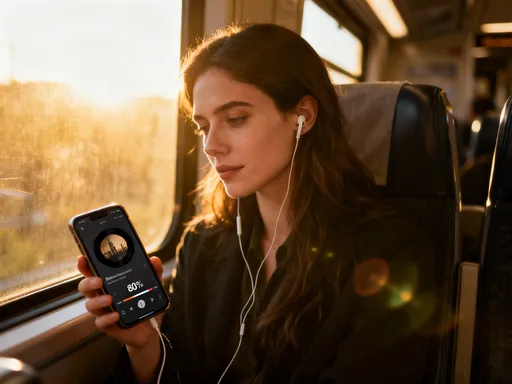
There was a time when my evenings looked the same: dinner, dishes, then sinking into the couch with my phone in hand. I’d open an app and let the videos roll—funny pets, travel clips, cooking hacks—anything to keep my mind busy. But after an hour of nonstop watching, I often felt more tired than relaxed. Worse, I felt… empty. It wasn’t that the content was bad; it was that no one knew I’d seen it. I wasn’t sharing it. No one was reacting. No one was saying, “Wait, did you see that part?”
That’s when I realized something important: consuming videos alone wasn’t just passive—it was isolating. I was surrounded by digital noise, but emotionally, I was quieter than ever. I’d message my friends occasionally, but it was mostly logistics: “Can you pick up milk?” or “What time is the meeting?” Our conversations had become transactional. The warmth, the laughter, the deep talks about life—we’d lost that rhythm without even noticing.
And I wasn’t alone. So many of us are online all day, yet feel more disconnected than ever. We’re bombarded with content, but starved for real connection. I began to wonder: what if the very tools I used to escape loneliness were actually making it worse? What if the problem wasn’t the screen—but how I was using it?
From Watching Alone to Watching Together
The shift started with a five-second clip. A cat trying to jump onto a shelf and missing—completely misjudging the distance, paws flailing in midair. I laughed out loud. And instead of just moving on, I hit share and sent it to my best friend, Maya, with the message: “This is you on Zoom meetings.”
Within seconds, her reply popped up: “OMG, I’ve been sending this to everyone! It’s our spirit animal!” And just like that, something clicked. We weren’t just sharing a video—we were sharing a moment. A laugh. A feeling. That tiny exchange sparked something bigger. The next day, I sent her a scene from a show I thought she’d love. She watched it, texted me halfway through, and we ended up having a full conversation about the character’s choices, her tone, even the music in the background.
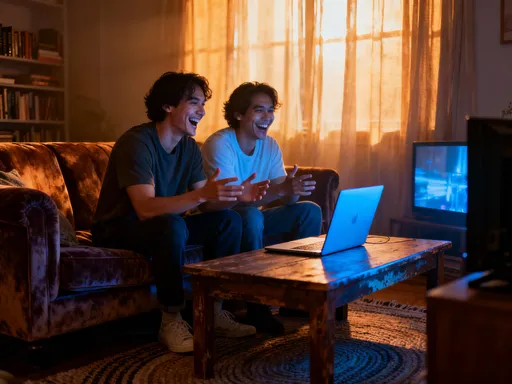
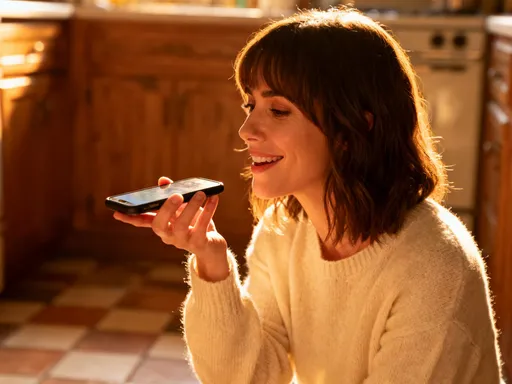
Then we tried something new: a “watch party.” We picked a movie, agreed on a time, and hit play at the same moment. We kept our phones on speaker, pausing to comment, gasp at plot twists, or just say, “Wait, rewind that!” It felt like we were in the same room, even though we were miles apart. That night, I went to bed smiling. Not because of the movie—but because I’d spent real, joyful time with someone I cared about.
What changed wasn’t the technology. It was the intention. I stopped using video as background noise and started using it as a bridge. And every time I shared something with meaning—because it reminded me of her, made me think of a memory, or just felt right—our friendship deepened in quiet, lasting ways.
Building Rituals Around Shared Screens
Soon, these moments weren’t random—they became rituals. Every Friday night, without fail, I’d get a text from Maya: “Movie sync at 8?” We’d pick something light—a classic rom-com, a feel-good drama, or a nostalgic favorite from our college days. We didn’t need to plan it perfectly. Sometimes one of us was folding laundry, the other nursing a cup of tea. But we pressed play together, and for those two hours, we were present.
Then came the “remember this?” reels. I’d scroll through old messages and find a clip she’d sent me years ago—maybe a silly dance video or a heartfelt speech from a documentary. I’d rewatch it, smile, and forward it back with, “Just saw this and thought of you.” She’d reply, “We were in the car that day, weren’t we? You were driving and laughing so hard you almost missed the exit.” And suddenly, we weren’t just watching a video—we were reliving a memory.
We also started creating playlists together before trips. Not music—video playlists. Heading to the beach? We’d add funny pool fails, ocean drone shots, and that one cooking tutorial for grilled pineapple. Going on a solo retreat? We’d share calming nature videos, gentle yoga clips, and motivational speeches. These playlists weren’t just entertainment—they were care packages. A way of saying, “I’m with you, even when I’m not.”
What made these rituals powerful wasn’t their scale. They weren’t grand gestures. But they were consistent. Predictable. Full of joy. And over time, they became the emotional glue that held our friendship together, especially during busy or stressful seasons. Life got hectic, but Friday nights? Those were sacred.
How Technology Made Emotional Check-Ins Effortless
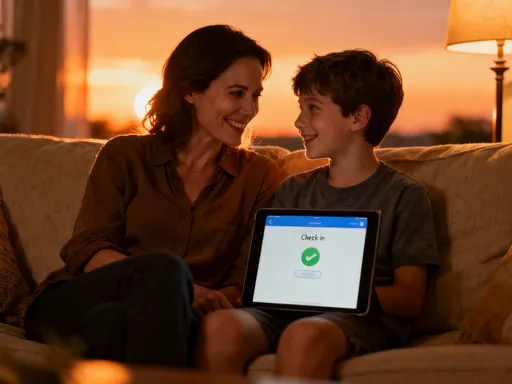
One of the hardest things in friendship is knowing how to ask, “Are you okay?” without making it feel heavy. Sometimes a direct question feels too intense, too loaded. But a shared video? That can say it all.
I remember a time when Maya was going through a rough patch. Her mom was sick, and she was juggling caregiving with work. I didn’t want to overwhelm her with messages, but I missed her. So one evening, I sent her a clip from a documentary about a woman rebuilding her life after loss. It wasn’t sad—it was hopeful. Quietly powerful. I added just one line: “This made me think of your strength.”
She didn’t reply right away. But the next morning, she called. “I watched it three times,” she said. “Thank you. I needed that.” That video wasn’t a replacement for a conversation—but it opened the door. It let her know I was thinking of her, without pressure. And it gave her a way to share how she was feeling, in her own time.
Other times, a funny meme could say, “I know you’ve had a long day.” A nostalgic cartoon clip might whisper, “I remember when we used to watch this together.” We learned to read between the lines. A video wasn’t just content—it was a mood. A message. A way of saying, “I see you,” without using those exact words.
And the beauty was, it worked both ways. When I was overwhelmed, Maya would send me a clip of a golden retriever failing spectacularly at obedience training. I’d laugh, feel lighter, and text back, “I needed that.” No explanations. No heavy talks. Just connection, delivered in 30 seconds.
The Tools That Made It Work (Without the Tech Stress)
Here’s the truth: I’m not tech-savvy. I don’t download every new app. I don’t care about specs or features. But I’ve learned that the tools I already use—every day—are more than enough to build real connection.
Take group chats. We use them for everything—coordinating dinner plans, sharing photos, sending quick updates. But we also use them to share videos. When someone sends a clip, we don’t just watch it and move on. We react. We text over it. We pause and say, “Wait, did you see what he just did?” Most messaging apps now support autoplay, so the video starts playing as soon as it’s opened—no extra steps, no frustration.
Then there’s synchronized watching. Platforms like Netflix and YouTube have built-in watch party features—or you can use simple tricks like syncing your watches and pressing play together. No need for complicated setups. Just a text that says, “Ready? 3… 2… 1… play.” And suddenly, you’re watching the same thing, at the same time, sharing reactions in real time.
Collaborative playlists are another game-changer. On YouTube or TikTok, you can invite friends to add videos to a shared list. We made one called “Comfort Watch,” filled with feel-good moments, funny fails, and clips that just make us smile. Anyone can add to it, anytime. It’s like a digital scrapbook of joy.
The key? We didn’t adopt new technology—we adapted what we already had. No learning curves. No pressure to keep up. Just using familiar tools in more meaningful ways. And the best part? It didn’t add stress—it reduced it. Because connection became easier, not harder.
When Distance Felt Smaller Than Ever
Life changes. People move. I’ve had friends relocate for jobs, others become new moms, some navigate health challenges. There were times when meeting in person wasn’t possible. But we never let that stop us from staying close.
Sophia moved to London for her husband’s job. At first, we worried our friendship would fade. Time zones made calls tricky. But then we started our “Sunday Sync.” Every Sunday evening for her was Sunday morning for me. We’d pick a show, set a time, and watch together. We’d leave our phones on speaker, snacks in hand, and just… be. We’d pause to talk about the plot, yes—but also about our weeks, our fears, our dreams.
When Emma had her baby, she was exhausted. She barely had time to shower, let alone plan a phone call. But she’d send me clips from her day—a baby’s first giggle, a messy feeding moment, a quiet sunrise from her window. I’d respond with a funny parenting meme or a soothing lullaby video. We weren’t having long conversations—but we were staying connected. And when she finally had a quiet moment, she’d text, “Just watched that video you sent. Made me feel less alone.”
Distance didn’t disappear. But it stopped feeling like a barrier. Because pressing play at the same time created a shared space. A moment of togetherness. And in those moments, miles didn’t matter. What mattered was that we were still part of each other’s lives—showing up, even in small ways.
Why This Matters Beyond the Screen
The real magic of these shared video moments isn’t just that they made us laugh or helped us pass the time. It’s that they built something deeper: trust, understanding, resilience.
We started quoting clips during tough conversations. When I was nervous about a big decision, Maya said, “Remember that scene where she stood at the edge and just jumped? That’s you.” And somehow, it gave me courage. When she was doubting her choices as a mom, I sent her a clip of a panda slowly climbing a tree—determined, a little clumsy, but never giving up. “That’s you,” I said. And she smiled.
Our reunions became richer, too. When we finally met in person after months apart, we didn’t just catch up—we reenacted scenes, quoted lines, played “remember when we watched this?” It was like we had a shared language, built one video at a time.
But the most powerful shift was internal. I began to feel seen. Not just heard—but truly seen. Because Maya remembered the documentaries I loved. Because Sophia saved a clip of a London street musician playing my favorite song. Because Emma noticed when I shared a certain type of video and asked, “Are you okay?”
These digital moments didn’t replace real life—they enhanced it. They gave us common ground. They deepened our empathy. And they reminded us that friendship isn’t about grand gestures—it’s about showing up, again and again, in ways that matter.
What began as a way to pass time became a quiet force for connection. Online video platforms didn’t replace real friendship—they redefined how we nurture it. By leaning into shared experiences, we didn’t just consume content; we built meaning, one video at a time. And honestly? I’ve never felt closer to my friends—even when we’re miles apart.