More than directions: Map apps that quietly improved my health without trying
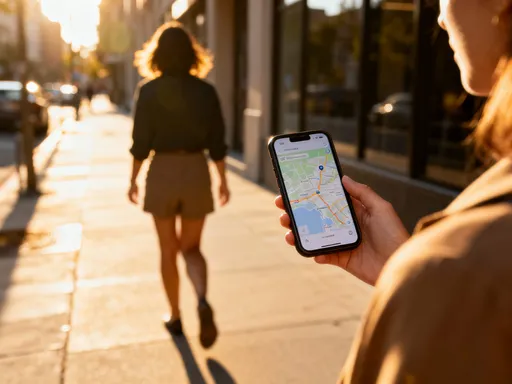
You know that feeling when you're rushing to a new café, following turn-by-turn voice prompts, and suddenly realize you’ve walked farther in one day than all last week? That happened to me. I didn’t set out to get healthier—I just wanted to stop getting lost. But over time, something unexpected happened: I stood more, walked wiser, and even noticed my mood lifting. It turns out, the same apps I use to navigate cities have been quietly shaping my physical well-being in ways I never expected. No alarms, no workout playlists, no fitness goals—just life, moving a little more, one tap at a time.
The Accidental Health Upgrade Hidden in Your Pocket
Let’s be honest—when you open a map app, you’re probably not thinking about your heart rate or step count. You’re trying to find the nearest pharmacy, get your kids to soccer practice on time, or meet a friend without circling the block twice. But here’s the quiet truth: every time you tap “Walk,” you’re making a tiny decision that adds up in big ways. I didn’t realize it at first, but after a few weeks of relying on my phone to guide me through unfamiliar neighborhoods, I started feeling… different. Lighter. More awake. My legs didn’t ache after short strolls like they used to. One evening, I checked my trip history and saw I’d walked over 4 miles—without even trying. That’s when it hit me: these apps weren’t just helping me get around. They were helping me move more, stand taller, and breathe easier—without demanding a single extra minute of my day.
What makes this kind of health boost so powerful is that it sneaks in under the radar. You’re not signing up for a 30-day fitness challenge or downloading a complicated tracking app. You’re simply living your life—but with a little digital nudge toward movement. And for someone like me, juggling work, family, and the never-ending to-do list, that’s exactly what I need. I don’t have time to “fit in” exercise. But I do have time to walk to the grocery store, drop off library books, or meet a friend for coffee. And now, thanks to my map app, I can do those things while also doing something kind for my body. It’s not about perfection. It’s about progress—small, invisible steps that lead to real change.
How Walking Routes Become Wellness Choices Without You Noticing
Have you ever noticed how your map app sometimes suggests a slightly longer route that winds through a park instead of a busy street? Or how it offers a “less walking” option if you’re carrying heavy bags? These aren’t random choices—they’re smart, thoughtful nudges based on real data and user preferences. And they can make a real difference in how your body feels at the end of the day. I started paying attention to these suggestions after a doctor mentioned that low-impact movement was better for my joints. I didn’t want to start a new routine, but I did want to feel better while doing what I already do. So I adjusted my settings to prefer flat, pedestrian-friendly paths. And wow—what a difference it made.
Now, when I’m walking to pick up my daughter from school, the app guides me down quieter streets with sidewalks, tree cover, and fewer cars. Sometimes it even points me toward a little greenway I never knew existed. I’m still getting where I need to go, but the journey feels gentler on my knees and my mind. I’ve also noticed that I’m more likely to choose to walk when I know the route is manageable. That mental shift—from “walking is a chore” to “walking is a break”—has been huge. And it didn’t come from a fitness coach or a wellness podcast. It came from a simple setting in an app I already use every day.
These small choices add up. Choosing a scenic path might add five minutes to your trip, but it also gives you fresh air, a moment of calm, and a little more movement. Avoiding stairs might help someone with mobility concerns feel more confident. And preferring shaded routes in summer? That’s not just comfort—it’s smart self-care. The beauty is that you don’t have to think hard about any of this. The app does the planning; you just enjoy the walk.
Step Tracking Without a Fitness Band: The Power of Passive Monitoring
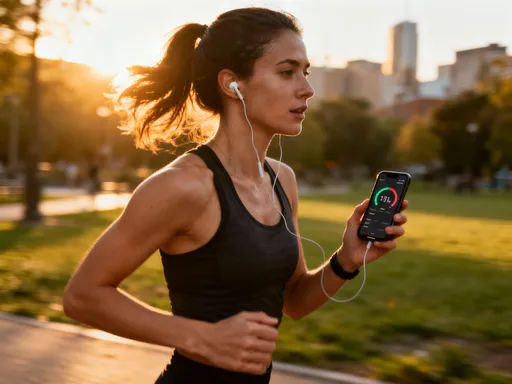
I’ll admit it—I used to be the person who bought a fitness tracker, wore it for three days, and then forgot it in a drawer. The constant reminders, the pressure to hit 10,000 steps, the guilt when I didn’t… it just felt like one more thing to manage. But here’s the thing I’ve learned: you don’t need a special device to know how much you’re moving. Your map app already knows. Every time you use walking directions, it logs distance, time, and even elevation. And if you look back at your trip history, you might be surprised by what you see.
One rainy Tuesday, I was running errands—post office, dry cleaner, grocery store. I didn’t think much of it at the time. But later, when I reviewed my day in the app, I realized I’d walked nearly 3.5 miles. That’s more than most people get in a week! I hadn’t planned it. I hadn’t tracked it. But it happened—because I was out in the world, moving with purpose. Since then, I’ve started checking my weekly summary not to judge myself, but to celebrate. “Look at that,” I’ll say to myself. “I walked to the farmers market and back. I took the long way around the lake. I got more fresh air than I thought.”
The key is to use this data gently—not as a report card, but as a mirror. It’s not about hitting a number. It’s about noticing patterns. Maybe you walk more on weekends. Maybe you stand longer when you’re waiting for the bus. Maybe you’re more active when the weather’s nice. All of that is useful information. And the best part? No extra gadgets. No charging another device. Just you, your phone, and the quiet satisfaction of knowing you’re doing more than you think.
Reducing Physical Strain with Smarter Commute Planning
We’ve all had those days when walking feels like too much. Maybe it’s 95 degrees outside. Maybe your back is stiff. Maybe you’re carrying a toddler and a grocery bag. In those moments, the last thing you want is to climb a hill or wander through a maze of alleys. That’s where smart planning comes in. Modern map apps don’t just show you the fastest route—they can help you choose the easiest one. And that makes a huge difference in how your body feels at the end of the day.
I learned this the hard way during a trip to a new city. I was visiting my sister, and I wanted to walk to a restaurant downtown. I tapped “Directions,” followed the voice prompts, and suddenly found myself on a steep hill with no shade. By the time I arrived, I was soaked in sweat and my back was screaming. Lesson learned. Now, I check the elevation profile before I commit to a walking route. Most apps show a little graph that tells you if there are big climbs ahead. I also look for wheelchair-accessible routes, which often mean smoother sidewalks, fewer stairs, and gentler inclines. These routes aren’t just for people with mobility challenges—they’re for anyone who wants to move comfortably.
Another game-changer? Using offline maps. There was a time I spent an entire afternoon touring a historic district, phone in hand, constantly refreshing the signal. By the end, my arm was sore from holding it up, and my battery was dead. Now, I download the map before I go. I can still follow directions, but I don’t have to keep the screen on the whole time. That means less strain on my eyes, my arm, and my phone. These little tweaks don’t sound like much, but they make walking feel sustainable—not like a test of endurance, but like a natural part of the day.
Turning Errands into Movement Breaks—Without Extra Time
Let’s face it: most of us don’t have “exercise” time. We have packed schedules, family responsibilities, and days that vanish before we’ve even had a chance to sit down. The idea of adding a workout can feel overwhelming. But what if you didn’t have to add anything? What if moving more was just part of how you already live? That’s the magic of using map apps to turn errands into movement breaks. And the best part? It doesn’t take any extra time.
Here’s how I do it. When I’m heading to the mall, I use the app to find a parking spot on the far end of the lot. I know exactly where I am, so I don’t waste time circling. And because I’m not afraid of getting lost, I don’t mind the extra walk. Same thing with grocery shopping. If the app shows the store is a 15-minute walk away, I’ll often choose to go on foot—especially if the weather’s nice. I bring a reusable bag, listen to a podcast, and before I know it, I’ve moved my body without “working out.”
My friend Lisa does something similar. She told me, “I didn’t go to the gym this week, but I walked 8,000 steps just running errands.” She used her map app to plan a route that connected the post office, the pharmacy, and her favorite coffee shop—all within walking distance. She did it in one loop, saved on gas, and got some fresh air. “It felt like I was being efficient,” she said, “not like I was exercising.” That’s exactly the mindset shift we need. It’s not about carving out time for fitness. It’s about using the time we already have in a way that also takes care of our bodies.
Staying Safe and Confident While Moving More
Movement starts with confidence. If you don’t feel safe, you’re less likely to walk, explore, or try something new. And for many of us—especially women, older adults, or those in unfamiliar areas—safety is a real concern. That’s why I appreciate how some map apps now include features that help you feel more secure. It’s not just about getting from point A to B. It’s about getting there with peace of mind.
One of my favorite features is real-time location sharing. If I’m walking somewhere new at night, I’ll share my live ETA with my husband or a close friend. They can see exactly where I am, and I know they’re checking in. It’s not because I expect anything to happen—it’s just comforting to know someone’s watching. Some apps also show crowd-sourced safety ratings for certain routes, highlighting well-lit streets or areas with more foot traffic. I’ve started using these to plan my evening walks, especially in parts of town I’m not familiar with.
There was a moment last fall when this really made a difference. I was visiting a new neighborhood for a book club meeting, and I wasn’t sure about the safest way to get there. I opened my app, checked the route options, and chose one that stayed on main streets with streetlights and shops. I even saw a note that said “frequently walked by others.” That small bit of information made me feel more at ease. I ended up walking the whole way, enjoying the autumn air, and arriving relaxed instead of anxious. Feeling safe didn’t just let me move more—it let me enjoy it.
Building Health Habits One Trip at a Time
The most lasting changes are the ones that don’t feel like changes at all. They’re the quiet shifts—the habits that grow so naturally you barely notice them taking root. That’s what’s happened with me and my map app. I didn’t set out to walk more. I didn’t track every step or set a single fitness goal. I just kept using a tool I already loved, in a slightly more mindful way. And over time, that small intention made a big difference.
Now, walking feels like part of my routine, not an extra task. I don’t dread it. I don’t avoid it. In fact, I often look forward to it—those few minutes between places where I can clear my head, feel the sun on my face, or listen to my favorite music. And I know I’m doing something good for my body, even if I’m not thinking about it. My blood pressure is better. I sleep more soundly. I have more energy during the day. None of this came from a drastic change. It came from showing up, one trip at a time, with a little help from technology.
What I’ve learned is that the best health tools aren’t always the ones labeled “wellness” or “fitness.” Sometimes, they’re the apps we use every day for completely different reasons. They’re already in our pockets, already part of our lives. And when we use them with a little awareness, they can do so much more than guide us to a destination. They can help us feel stronger, calmer, and more connected to our bodies. So the next time you open your map app, remember: you’re not just finding your way. You’re also taking care of yourself—one quiet step at a time.