How I Upgraded My Fun Without Breaking the Bank
Remember that feeling when you realize your weekend outings cost more than your rent? Yeah, I’ve been there. As entertainment spending quietly exploded, I knew something had to change. Instead of cutting back entirely, I dug into the trends reshaping how we spend on fun—and found smarter ways to enjoy more while staying in control. This isn’t about deprivation; it’s about strategy. The shift didn’t come overnight, but through small, consistent choices backed by awareness and intention. I learned that enjoying life doesn’t require overspending—it requires rethinking. What emerged wasn’t a budget that felt restrictive, but one that felt liberating. I discovered how to align my spending with what truly brought joy, eliminate invisible drains, and build a lifestyle where fun and financial stability support each other. Here’s what I learned through real shifts in the market and my own trial-and-error journey.
The Hidden Cost of "Just Having Fun"
What once felt like occasional treats—going out for dinner, catching a show, renewing a streaming service—had become a steady stream of expenses that barely registered until the monthly bank statement arrived. I didn’t think twice about a $15 movie rental, a $7 coffee before the theater, or the $12 monthly app I used once a quarter. But over time, these small, routine indulgences accumulated into a significant portion of my budget. When I finally reviewed my spending patterns, I was stunned to see that my entertainment costs averaged more than my utility bills and were edging close to my car payment. This wasn’t reckless spending—it was unconscious spending. The danger wasn’t in any single purchase, but in the pattern of repeated, low-friction decisions that added up without warning.
This phenomenon is known as lifestyle inflation, and it often creeps in through entertainment. As income rises, people tend to increase their discretionary spending in subtle ways: upgrading from standard tickets to VIP seats, choosing dinner at trendy new spots over home-cooked meals, or stacking multiple subscription services. These upgrades feel justified because they’re tied to enjoyment and relaxation, but they can quietly erode financial flexibility. The problem is amplified by how easy modern spending has become. One-click purchases, auto-renewals, and digital wallets reduce friction to the point where we no longer pause to consider value. What was once a deliberate choice—going to a concert—can now happen impulsively with a tap, and the cost blends into the background of monthly transactions.
Recognizing this shift was the first step toward regaining control. I began tracking every entertainment-related expense for three months, categorizing them not just by amount but by frequency and emotional payoff. What I found was eye-opening: nearly 40% of my spending went toward activities I barely remembered or didn’t truly enjoy. That $100 ticket to a sold-out comedy show? I spent most of it stressed about parking and traffic. The premium music subscription? I still used only the free version of the app. By shining a light on these habits, I realized that the real cost of fun wasn’t just financial—it was the opportunity cost of spending money on experiences that didn’t deliver real satisfaction. This awareness didn’t make me want to stop enjoying life; it made me want to spend more intentionally.
Why Entertainment Spending Is Actually Smart (When Done Right)
Not all spending on fun is frivolous—far from it. In fact, when aligned with personal values and well-being, entertainment can be one of the smartest investments a person makes. Research consistently shows that experiences bring more lasting happiness than material goods. Unlike possessions, which lose their novelty over time, memories from concerts, travel, or shared meals continue to provide emotional returns long after the event ends. The key isn’t to eliminate entertainment spending, but to redirect it toward high-value experiences that enrich life without depleting savings. This shift in mindset—from seeing fun as a cost to seeing it as a contributor to quality of life—was transformative.
The modern market has responded to this demand by offering more flexible, value-driven options. Tiered pricing models, for example, allow consumers to choose the level of access that matches their interest and budget. A concertgoer can opt for general admission instead of front-row seats and still enjoy the music. Streaming platforms now offer ad-supported tiers at lower prices, giving users a choice between convenience and cost. Membership programs and bundled subscriptions—such as a package that includes a video service, a fitness app, and a meditation platform—deliver more utility per dollar. These innovations make it possible to enjoy a rich, fulfilling lifestyle without overspending, as long as you approach them with intention.
Another powerful shift is the growing emphasis on community and access over ownership. Instead of buying a single-use item, more people are paying for entry to experiences that foster connection—think local workshops, outdoor fitness classes, or book clubs. These activities often cost less than traditional entertainment but deliver greater emotional ROI because they involve interaction, learning, and shared joy. I found that the moments I remembered most weren’t the expensive dinners or flashy events, but the low-cost gatherings with friends—potlucks, game nights, and weekend hikes. These weren’t just cheaper; they were more meaningful. By focusing on experiences that create connection and personal growth, I was able to reallocate my entertainment budget in a way that supported both my financial goals and my emotional well-being.
Spotting the Trends That Are Changing the Game
The entertainment landscape is evolving rapidly, driven by consumer behavior, technology, and economic pressures. One of the most significant shifts is subscription fatigue—the growing awareness that paying for multiple recurring services can become a financial burden. What started as a convenient way to access content has turned, for many, into a tangled web of auto-renewals and forgotten charges. In response, companies are rethinking their models. Some now offer annual billing at a discount, while others allow users to pause subscriptions instead of canceling. This trend has empowered consumers to be more selective, leading to a rise in conscious consumption where people evaluate not just price, but usage and value.
Another major trend is the rise of hybrid event models. The pandemic accelerated the adoption of virtual and on-demand experiences, and many have stayed. Today, it’s common to see concerts, theater performances, and fitness classes offered both in person and online. This flexibility allows people to enjoy premium content from home at a fraction of the cost. A live theater ticket might cost $80, but a digital stream could be $20—or included in a membership. This shift has democratized access to high-quality entertainment, making it easier to enjoy enriching experiences without the added expenses of travel, parking, or dining out. For me, this opened up new possibilities: attending a cooking class with a celebrity chef from my kitchen, or watching a Broadway show on a quiet Saturday night without the hassle of a night out.
Personalization is also reshaping how we spend on fun. Algorithms now suggest content based on viewing habits, and platforms offer curated playlists, custom workout plans, and tailored event recommendations. This level of customization increases perceived value—when something feels made for you, it’s more satisfying. At the same time, community-based access models are gaining traction. Memberships to local arts centers, co-op recreation programs, and neighborhood exchanges allow people to pool resources and gain access to experiences they couldn’t afford individually. These models emphasize shared value over individual consumption, creating a more sustainable and socially connected approach to entertainment. By staying aware of these trends, I was able to adapt my spending to take advantage of better deals, greater flexibility, and more meaningful experiences.
Building a Smarter Entertainment Budget: My 3-Part Framework
Once I understood the patterns behind my spending, I needed a system to manage it. Guessing wasn’t enough. I developed a three-part framework that helped me make intentional choices without feeling deprived. The first step was categorizing my entertainment spending into three buckets: core joy, casual fun, and impulse treats. Core joy included activities that consistently brought deep satisfaction—like attending a live music performance by a favorite artist or taking a weekend getaway with family. Casual fun covered low-stakes pleasures—browsing a bookstore, watching a movie at home, or trying a new coffee shop. Impulse treats were spontaneous, often emotionally driven purchases—like upgrading to a premium seat at the last minute or buying a souvenir I didn’t need.
This categorization allowed me to see where my money was going and whether it matched my values. I allocated the majority of my budget to core joy activities because they delivered the highest emotional return. Casual fun received a smaller, fixed allowance—enough to enjoy occasional pleasures without overextending. Impulse treats were either eliminated or subject to strict rules, such as a 24-hour waiting period before purchase. This simple structure transformed my relationship with spending. Instead of feeling guilty about every dollar, I felt empowered by having a clear plan. I could say yes to what mattered and no to what didn’t—without second-guessing.
The second part of the framework involved applying filters to each expense: frequency, perceived value, and emotional ROI. I asked myself: How often do I do this? Does it feel worth the cost? How long does the happiness last? For example, I loved going to the movies, but I realized I only went once a month. The $25 ticket and snacks felt steep for such infrequent enjoyment. By switching to a streaming service with a library of classic films, I got more viewing time for less money. On the other hand, I valued live theater deeply and attended twice a year. For those events, I was willing to pay more because the experience was rare and memorable. This filter system helped me distinguish between habits that deserved investment and those that were just routine.
The third component was setting monthly limits based on my overall financial goals. I treated entertainment like any other budget category—necessary, but bounded. I determined a comfortable percentage of my income to allocate to fun and stuck to it. If I wanted to attend a higher-cost event, I saved in advance or adjusted spending in other areas. This approach removed the stress of overspending and gave me permission to enjoy guilt-free when I stayed within my plan. Over time, this framework became second nature, turning what was once chaotic spending into a sustainable, joyful part of my financial life.
Tools That Actually Help Track and Optimize Spending
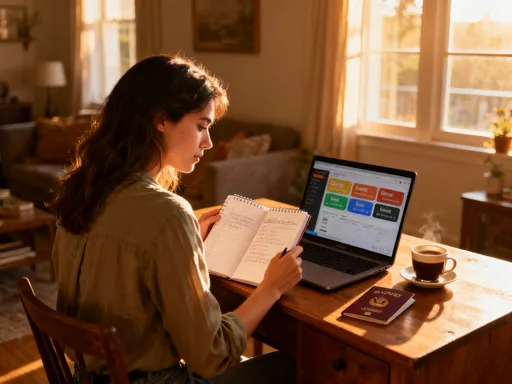
Tracking spending manually was tedious and often inaccurate. I needed tools that could automate the process and reveal insights without requiring constant effort. I tested several budgeting apps, and the ones that worked best shared common features: visual dashboards, automatic transaction tagging, and spending forecasts. These tools didn’t just list expenses—they showed patterns. One app, for example, created a monthly pie chart that broke down my spending by category. Seeing that 30% of my discretionary budget went to dining out was a wake-up call. Another app sent alerts when I approached my entertainment limit, helping me stay on track without constant monitoring.
Automatic categorization was especially useful. Instead of manually sorting each transaction, the app labeled purchases like "movie ticket," "streaming service," or "dinner out" based on the merchant. This saved time and improved accuracy. More importantly, it allowed me to see trends over time. I could compare this month’s spending to last month’s and spot increases before they became problems. Some apps even offered "what if" scenarios—showing how much I could save in a year if I reduced dining out by one meal per week. These projections made the impact of small changes tangible and motivating.
One of the most valuable features was the ability to link accounts and view everything in one place. Before, I had to check multiple bank statements and credit card portals. Now, I could see my full financial picture—including savings, bills, and entertainment—in a single dashboard. This holistic view made it easier to balance fun with responsibility. I could see, for instance, that my vacation fund was growing steadily, which gave me confidence to spend on a concert ticket without anxiety. The tools didn’t make decisions for me, but they provided the clarity I needed to make better ones. Over six months, these small improvements in tracking led to a 22% reduction in my entertainment spending—without reducing my enjoyment.
Risk Control: Avoiding Lifestyle Inflation in Disguise
One of the biggest financial risks isn’t overspending—it’s normalizing higher spending over time. I fell into this trap when I started "treating myself" more often after a raise. What began as an occasional splurge became a habit: premium seats, bottle service, weekend getaways. At first, it felt rewarding. But soon, my baseline expectations rose. What used to feel luxurious now felt ordinary. This is lifestyle inflation in disguise—spending more not because of necessity, but because it’s possible. The danger is that it can erode savings and delay long-term goals, all while feeling justified because it’s tied to enjoyment.
To protect against this, I set invisible guardrails. The first was a monthly cap on entertainment spending, tied to a percentage of income. If I wanted to exceed it, I had to save the difference in advance. This created a buffer between desire and action. The second was a delayed gratification rule: any non-essential entertainment purchase over $50 required a 48-hour waiting period. This simple pause allowed me to assess whether the purchase was driven by excitement or genuine value. More than once, I canceled a plan after sleeping on it and realized I was reacting to FOMO, not true interest.
I also adopted reward substitution. Instead of buying something new, I rewarded myself with a free or low-cost experience—like a picnic in the park, a movie night at home, or a long walk in nature. These moments were just as fulfilling and didn’t carry financial weight. Over time, I trained myself to associate celebration with simplicity, not spending. These guardrails weren’t about restriction—they were about alignment. They ensured that my habits supported my long-term vision for financial peace and personal freedom. By staying mindful, I avoided the trap of upgrading my lifestyle faster than my financial foundation could support.
The Bigger Picture: Enjoyment That Scales With Your Goals
Entertainment doesn’t have to compete with savings—it can coexist with them. The breakthrough came when I stopped seeing fun as an afterthought and started treating it as a designed part of financial health. This shift in perspective changed everything. Instead of asking "Can I afford this?" I began asking "Does this align with my values and goals?" The answer wasn’t always yes, but it was always clear. I found that when I spent with intention, I enjoyed more. There was less guilt, more presence, and deeper satisfaction. The $12 concert I attended with full attention felt richer than the $200 show I rushed through while stressed.
Mindful spending isn’t about cutting back—it’s about maximizing value. It’s choosing the experience that nourishes you, not just the one that impresses others. It’s understanding that financial well-being includes emotional well-being. When I built a budget that included room for joy, I stopped feeling like I was sacrificing. Instead, I felt in control. I could save for the future without denying myself the present. Over time, this balance created a sense of stability and freedom that no single purchase could deliver.
Today, my approach to entertainment is sustainable, flexible, and deeply personal. I use trends to my advantage, leverage tools for clarity, and protect my progress with smart guardrails. But most importantly, I’ve learned that true enjoyment doesn’t come from how much you spend—it comes from how well you spend it. By aligning my choices with my values, I’ve built a life where fun and financial health aren’t in conflict. They’re partners. And that’s the ultimate upgrade—not in the experience, but in the peace of mind that comes from knowing you’re living well, today and tomorrow.