How I Nailed Accident Insurance — A Real Talk Guide
I used to think accident insurance was just another monthly bill—until I actually needed it. One fall, one ER visit, and a mountain of paperwork later, I realized how unprepared I was. This isn’t about scare tactics; it’s about what I learned the hard way. If you’ve ever skimmed the fine print or assumed “it won’t happen to me,” this real-life case might change your mind. What started as a routine weekend errand turned into weeks of recovery, unexpected medical costs, and a harsh lesson in financial preparedness. This is not a story of tragedy, but of realization—the kind that reshapes how you see risk, responsibility, and resilience.
The Wake-Up Call: When Life Throws a Curveball
It was a Saturday morning in late October. I was at home, rearranging storage in the garage, when the ladder I was using shifted unexpectedly. Before I could react, I fell backward, landing hard on my left side. The pain was immediate, sharp, and disorienting. My husband drove me to the emergency room, where X-rays revealed two cracked ribs and a mild concussion. What followed was a blur of medical visits, prescriptions, and restrictions—no lifting, no driving, no returning to work for over two weeks. I was lucky. No surgery, no long-term damage. But the financial toll was far from minor.
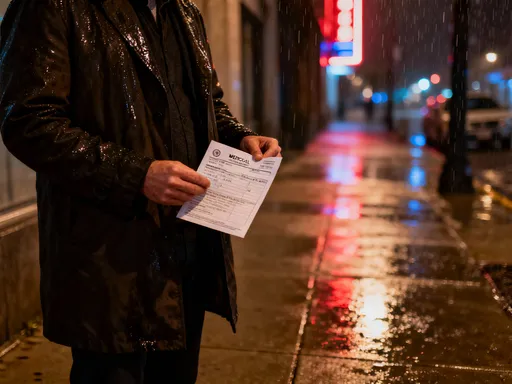
At first, I assumed my health insurance would cover most of it. After all, I had a solid plan through my employer, with what I thought was comprehensive coverage. But when the bills started arriving, I realized how many costs were slipping through the cracks. My health insurance covered the ER visit and imaging, but not the follow-up physical therapy, the prescription pain relievers, or the transportation to and from appointments. There was also the lost income—my job didn’t offer paid short-term disability, so those two weeks off work meant a noticeable dip in our monthly budget. The total out-of-pocket cost? Just under $3,200. For an accident that seemed minor in medical terms, it was a major financial shock.
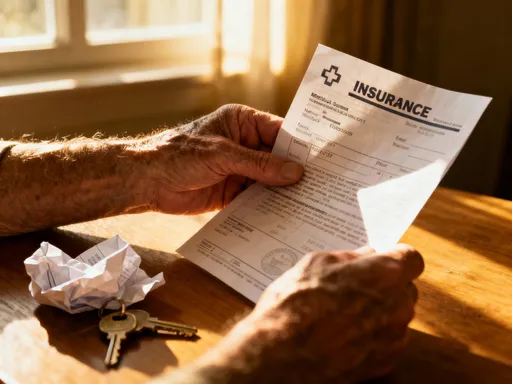
That’s when I learned the hard truth: health insurance and accident insurance are not the same. One covers treatment. The other covers the ripple effects—the real-life consequences that extend beyond the doctor’s office. I had assumed I was protected. I wasn’t. The experience left me not just sore and slow to recover, but anxious about our finances. It wasn’t until I started researching that I realized accident insurance wasn’t an unnecessary extra—it was a missing piece of our financial safety net. And I wasn’t alone. Millions of people assume they’re covered, only to find out too late that their policies don’t address the full picture of an accident’s impact.
What Accident Insurance Really Covers (And What It Doesn’t)
Accident insurance is designed to fill the gaps left by traditional health coverage. It provides direct cash benefits when you experience a qualifying injury, no matter how minor or severe. These payments are typically made to you, not the hospital or doctor, which means you can use the funds however you need—whether it’s for medical bills, transportation, childcare, or even mortgage payments. The core idea is simple: when an accident happens, your life doesn’t stop. Bills still come due. And accident insurance helps keep your finances stable while you heal.
Most standard policies cover a wide range of incidents: emergency room visits, hospital admissions, surgeries, X-rays, MRIs, casts, and even ambulance transportation. Some plans also include benefits for accidental death or dismemberment, though these are less commonly claimed. What makes accident insurance unique is its focus on specific events. For example, if you break a bone, the policy may pay a fixed amount—say, $1,500—directly to you. If you need stitches, another set amount applies. These payouts are predetermined and outlined in the policy, so there’s no guessing what you’ll receive. This predictability is one of the biggest advantages, especially during a time when stress and uncertainty are already high.
But not everything is covered. Most policies exclude injuries from high-risk activities like skydiving, racing, or professional sports. Pre-existing conditions that lead to accidents are also typically excluded. If you have a history of seizures and suffer an injury during an episode, the claim may be denied. Similarly, if you delay reporting the accident or fail to seek treatment within a specified timeframe—often 24 to 72 hours—the insurer may not honor the claim. Intoxication-related incidents are almost always excluded, as are self-inflicted injuries or those that occur during criminal activity. These exclusions are standard across the industry and are meant to prevent abuse, but they’re also easy to overlook when you’re focused on the benefits.
Another key difference is how accident insurance compares to disability insurance. Disability coverage replaces a portion of your income if you’re unable to work due to illness or injury, but it often has a waiting period—sometimes 30, 60, or even 90 days—before payments begin. Accident insurance, on the other hand, can provide immediate financial support, often within days of claim approval. It doesn’t replace income long-term, but it bridges the gap during the critical early weeks. For someone who doesn’t have paid sick leave, this can be the difference between staying afloat and falling behind. Understanding these distinctions is essential. Accident insurance isn’t a replacement for health or disability coverage—it’s a complement. Together, they create a more complete shield against financial disruption.
Why Most People Get It Wrong (And Pay Later)
Despite its clear benefits, accident insurance remains one of the most misunderstood and underutilized financial tools. Many people dismiss it as unnecessary, especially if they’re young, healthy, or careful. “I’m not reckless,” they say. “I don’t do dangerous things.” But accidents don’t discriminate based on lifestyle or intent. Slips, falls, and household mishaps are the leading causes of injury-related ER visits, and they happen to ordinary people in ordinary settings. According to the National Safety Council, the odds of suffering a disabling injury at home are 1 in 4 over a lifetime. Yet, most homeowners don’t carry accident insurance, assuming their health plan or homeowner’s policy will cover everything.
Another common misconception is that employer-provided benefits are enough. While many companies offer health insurance, few include supplemental accident coverage as a standard benefit. Even when it’s available, employees often opt out to save on premiums, not realizing how vulnerable they are. Some assume workers’ compensation will step in, but that only applies to job-related injuries. If you hurt yourself at home, on vacation, or during a weekend hobby, you’re on your own. This false sense of security is dangerous because it delays preparation until it’s too late. By the time an accident happens, it’s impossible to sign up for coverage retroactively. The time to act is before the fall, not after.
Behavioral economics helps explain why so many people underestimate risk. The optimism bias—the belief that bad things are less likely to happen to us—is powerful. We hear about accidents and think, “That’s unfortunate, but it won’t happen to me.” Financial procrastination compounds the problem. We tell ourselves we’ll look into it “next month” or “after the holidays,” but life gets busy, and the task slips away. The cost of this delay isn’t just financial—it’s emotional. When an accident strikes, the stress of medical decisions is magnified by money worries. Those who are prepared don’t just save money; they preserve peace of mind.
Consider two real-life scenarios. One woman, age 38, had no accident insurance. She slipped on ice while walking her dog and broke her wrist. The surgery was covered, but she paid $1,800 out of pocket for therapy and missed three weeks of work. Her family had to dip into their vacation fund to cover groceries and utilities. The second woman, age 42, had a $200,000 accident policy. She fell down basement stairs and needed stitches and a short hospital stay. Her policy paid $2,500 directly to her, which she used to cover medical co-pays and hire a cleaning service while recovering. Both women survived their injuries, but only one avoided financial strain. The difference wasn’t luck—it was preparation.
Picking the Right Policy: No Jargon, Just Smarts
Choosing the right accident insurance doesn’t require a finance degree, but it does require attention to detail. The first step is assessing your personal risk. Are you a parent with young children at home? Do you work in a physically demanding job? Do you live in a two-story house or drive frequently? These factors influence how likely you are to experience an accident and how much coverage you might need. A single person with a desk job may need less than a parent of three who coaches youth soccer. There’s no one-size-fits-all solution, which is why customization matters.
Next, understand the benefit structure. Most policies use a schedule of benefits, which lists specific injuries and their corresponding payouts. A broken leg might pay $2,000, while a sprained ankle pays $300. Some plans offer a lump sum for hospitalization—say, $1,000 per day for up to five days. Others include wellness benefits, like rewards for completing safety courses or installing home safety devices. Look for policies that cover the types of injuries most common in everyday life, not just extreme scenarios. Also, check whether benefits are paid per incident or per year. Some plans reset after each claim, while others have an annual cap. Knowing this helps you estimate long-term protection.
Deductibles and waiting periods are another key consideration. Unlike health insurance, most accident policies don’t have deductibles—you get paid as long as the injury is covered. However, some require you to seek treatment within a certain window to qualify. Waiting periods for certain benefits, like disability payments, may apply. Payout limits vary widely, from $10,000 to $100,000 or more. A higher limit offers more protection but comes with a higher premium. The goal is balance: enough coverage to make a difference without straining your budget.
I tested three different plans before making a decision. The first was too basic—low payouts and many exclusions. The second was expensive and bundled with services I didn’t need. The third offered tiered coverage: I could choose the level that matched my lifestyle and budget. It included emergency care, hospital stays, and follow-up treatments, with clear definitions of what qualified. I also appreciated that it allowed me to adjust coverage annually. After comparing costs, benefits, and customer reviews, I chose the third. It wasn’t the cheapest, but it was the most realistic for my needs. The process taught me that selecting a policy isn’t about finding the lowest price—it’s about finding the best fit.
How to Save Without Sacrificing Coverage
One of the biggest concerns people have about accident insurance is cost. Premiums can range from $20 to $100 per month, depending on coverage level, age, and health. But there are smart ways to reduce the price without giving up protection. The most effective strategy is bundling. Some insurers offer discounts if you combine accident insurance with critical illness or hospital indemnity plans. Others provide family rates, so covering your spouse and children costs less per person. If your employer offers group accident insurance, it’s often significantly cheaper than individual plans—and sometimes partially subsidized.
Another way to save is by adjusting your coverage tiers. You don’t have to max out your policy to get value. For example, you might choose lower payouts for minor injuries but keep high coverage for hospitalization or surgery. Some plans let you exclude certain benefits you don’t need—like aviation accidents, if you never fly. This customization can trim the premium without leaving you exposed to major risks. Wellness programs can also reduce costs. A few insurers offer premium discounts for completing online safety courses, installing smoke detectors, or maintaining a clean claims history. These small actions add up over time.
It’s important to know where not to cut corners. Skipping coverage for emergency room visits or hospital stays is risky, as these are the most common and costly accident-related events. Reducing disability benefits too much can leave you vulnerable if you’re unable to work. The goal isn’t to save at all costs—it’s to save wisely. I was able to lower my monthly premium by 22% simply by choosing a slightly higher threshold for minor claims and taking advantage of a family discount. That’s over $500 saved per year, with no loss of essential protection. Small adjustments, big impact.
Also, consider timing. Enrolling during open enrollment periods or after major life events—like marriage, birth of a child, or job change—can give you access to better rates or expanded options. Some insurers allow you to increase coverage without a medical exam during these windows. Staying informed about these opportunities helps you get more value for your money. Saving on premiums isn’t about doing less—it’s about doing smarter.
Making a Claim: What No One Tells You
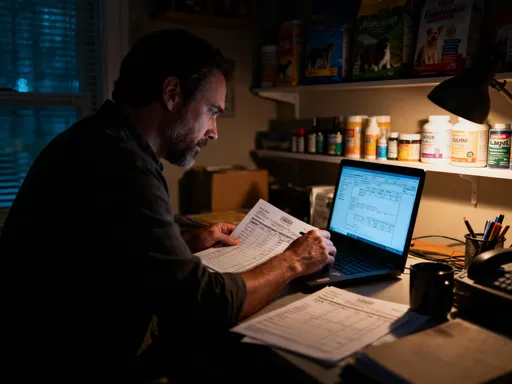
Filing a claim is where theory meets reality. Even with the best policy, the process can be confusing if you’re not prepared. The first rule: act quickly. Most insurers require you to report the accident within 24 to 72 hours. Delaying can jeopardize your claim. As soon as I was discharged from the ER, I called my insurer’s claims line. The representative walked me through the required documentation: medical records, itemized bills, a claim form, and a copy of the incident report, if applicable. I was surprised by how much paperwork was involved, but staying organized made it manageable.
One thing no one warned me about was the waiting period for payment. Even with all documents submitted, it took nine business days to receive the first payout. There was no delay on the insurer’s part—just processing time. I learned to follow up every three to four days with a polite check-in. Keeping a log of calls, names, and reference numbers helped me stay on track. When a document was missing, I resubmitted it immediately. Proactivity made a big difference.
Communication is key. Be clear, factual, and consistent in all interactions. Don’t exaggerate the injury or timeline. Insurers may verify details with your doctor or hospital. If something is unclear, ask for clarification—don’t assume. I made the mistake of not saving a confirmation email early on, which caused a minor delay. After that, I kept a dedicated folder for all claim-related materials, digital and physical. This habit saved me time and stress.
The payout wasn’t automatic, but it was fair. Once approved, the funds were deposited directly into my account. I used them to cover physical therapy, replace lost income, and pay down a portion of our emergency fund that I’d tapped into. The process wasn’t perfect, but it worked. The lesson? Preparation doesn’t end when you buy the policy. It continues through the claim. Being informed, organized, and persistent ensures you get what you’re entitled to.
Building a Financial Safety Net: Beyond the Policy
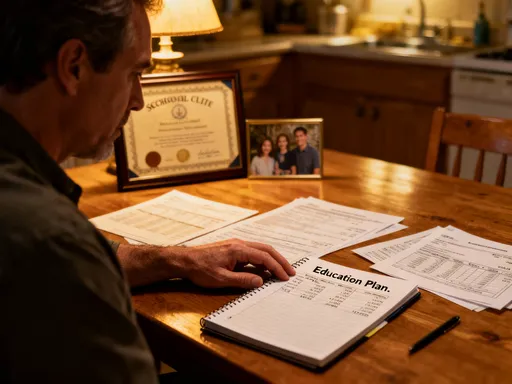
Accident insurance is a powerful tool, but it’s just one part of a broader financial strategy. True resilience comes from layering protections. I now maintain a fully funded emergency fund—three to six months of living expenses in a liquid account. That cushion covers unexpected costs that insurance doesn’t, like home repairs or car trouble. I also review my health insurance annually to ensure it aligns with my needs. And I’ve added short-term disability coverage, which kicks in if I’m unable to work for more than two weeks.
These pieces work together. The emergency fund handles small surprises. Health insurance covers medical treatment. Accident insurance pays for incident-specific costs. Disability insurance replaces income. No single product can do it all, but together, they create a safety net that’s strong and flexible. I’ve also adopted habits that reduce risk: using non-slip mats, keeping walkways clear, and scheduling regular home safety checks. Prevention and protection go hand in hand.
The biggest change, though, has been in mindset. I no longer see insurance as an expense. I see it as investment—in stability, in peace of mind, in the ability to handle life’s surprises without panic. I’ve shared what I’ve learned with friends and family, not to scare them, but to empower them. One neighbor signed up for accident coverage after hearing my story. Another started building an emergency fund. Small actions, shared wisdom—they ripple outward.
This isn’t about living in fear. It’s about living with readiness. Accidents are unpredictable, but financial chaos doesn’t have to be. With the right tools and habits, you can face the unexpected with confidence, not dread. I wish I’d known this sooner. But better late than never. Now, I’m not just insured. I’m prepared.
Stay Ready, Not Scared
Accidents are a part of life. They happen in driveways, on sidewalks, in kitchens, and during moments we least expect. What separates those who bounce back from those who struggle isn’t luck—it’s preparation. Accident insurance isn’t a magic shield, but it is a practical, accessible way to reduce financial stress when injury strikes. It won’t prevent a fall, but it can prevent a financial freefall. This isn’t a sales pitch. It’s a reflection on real choices, real costs, and real relief. The best time to act is before you need to. Assess your risk. Review your coverage. Make a plan. Because when life throws a curveball, your finances shouldn’t have to take the hit.